People Counting System (Pcount)

People Counting System (Pcount)

The People Counting System uses AI video analytics and multi-sensor fusion to monitor crowd movement in real time. It accurately counts people, tracks flow direction, measures density, and issues instant alerts even in low light or crowded environments. With edge processing and cloud analytics, it provides heat maps, movement patterns, and historical reports to support space planning, entry control, and safety management. Deployed in malls, transit hubs, campuses, and public facilities, it enhances operational efficiency and is a key component of smart city crowd management.

AI Recognition Items

Smart Video Recognition

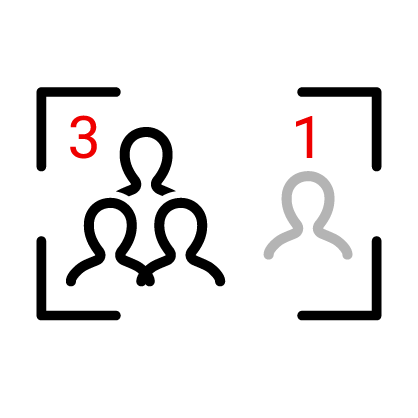
Deep learning models, which use advanced algorithms to learn from large datasets, detect individuals in real time and automatically distinguish adults, children, and groups of varying sizes.

Multi-Target Tracking

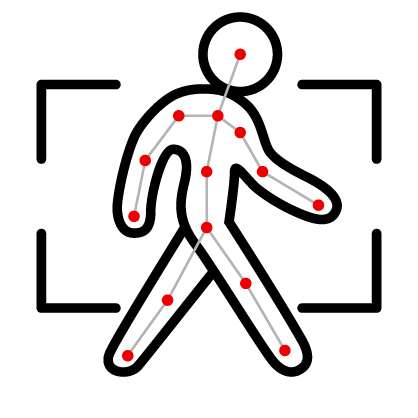
AI algorithms, or computer programs designed to simulate human intelligence, perform identity tracking and movement trajectory analysis, maintaining high accuracy even in crowded areas.

Crowd Density Analysis

AI algorithms generate real-time heatmaps that clearly highlight areas of high concentration and crowding trends.

Behaviour Pattern Recognition

Detects potential risk behaviours, such as when people stay in one area longer than usual (abnormal lingering), move against the general flow (reverse movement), or suddenly run (sudden running).


Key Features

People Counting System (Pcount)
  • High Accuracy

    Furthermore, it delivers a significantly lower error rate compared to traditional infrared or manual counting methods.

  • Wide Environmental Adaptability

    Moreover, it operates reliably in both indoor venues (such as shopping malls) and large-scale outdoor events.

  • Real-Time Feedback

    This system provides second-level data updates, enabling management teams to respond quickly to sudden changes.

  • Flexible Deployment

    Additionally, it can be integrated with existing cameras and surveillance systems, effectively reducing deployment costs.

  • Privacy-Friendly Design

    Importantly, it employs anonymized and non-facial recognition techniques to prevent personal data leakage and ensure compliance.

  • High Scalability

    The system supports multi-site, multi-point networking, forming a centralized management platform for unified control.

  • Data Visualization

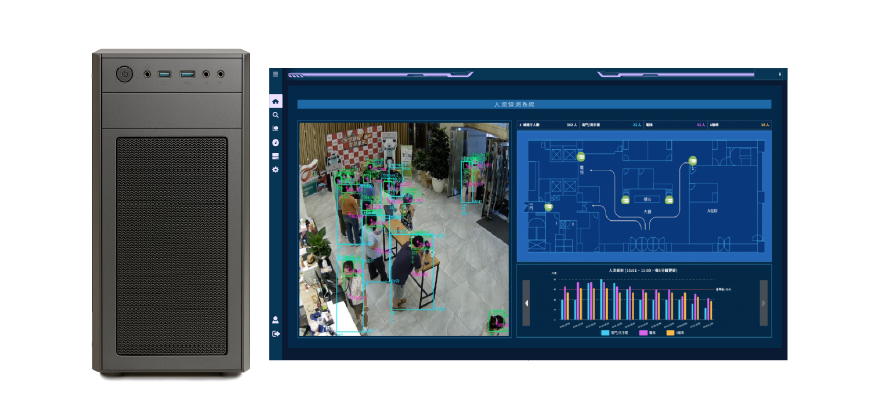
    The system offers map-based displays, heat maps, and trend charts, allowing managers to easily interpret crowd dynamics.

  • Edge Computing Architecture

    Through its edge computing architecture, it performs real-time data processing on edge devices, minimizing latency, reducing network load, and enhancing privacy protection.

  • Cross-Sensor Data Fusion

    On top of that, it integrates video, Wi-Fi, Bluetooth, infrared, and geomagnetic data to improve coverage and detection accuracy.

  • Predictive Analytics

    The system uses AI-driven models to forecast peak hours and crowd movement trends, enabling proactive staffing and resource planning.


System Architecture

Centralized Architecture

現場AI LPR 車牌辨識攝影機示意

Field Side

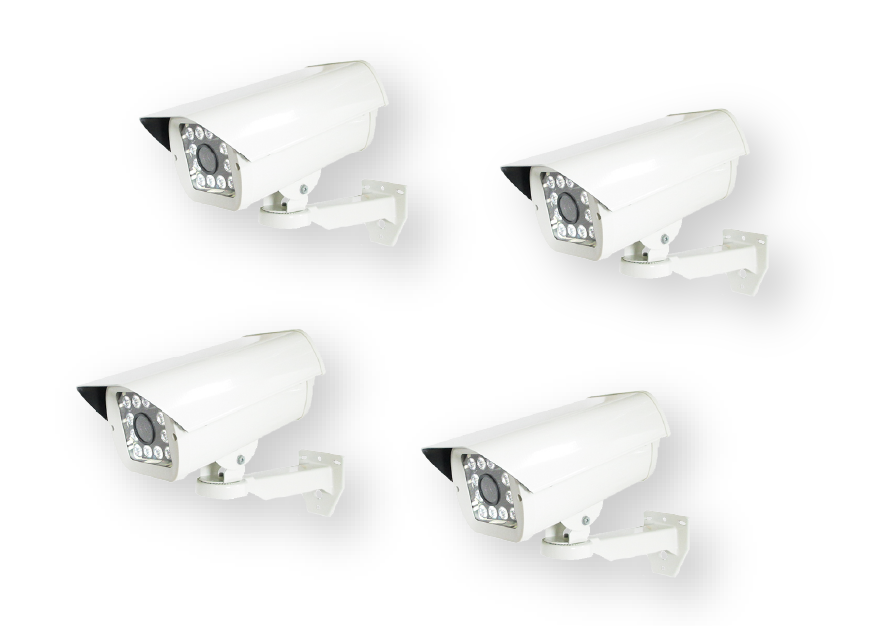
Cameras capture video and send all footage directly to the server side.

NET WORK

Server Side

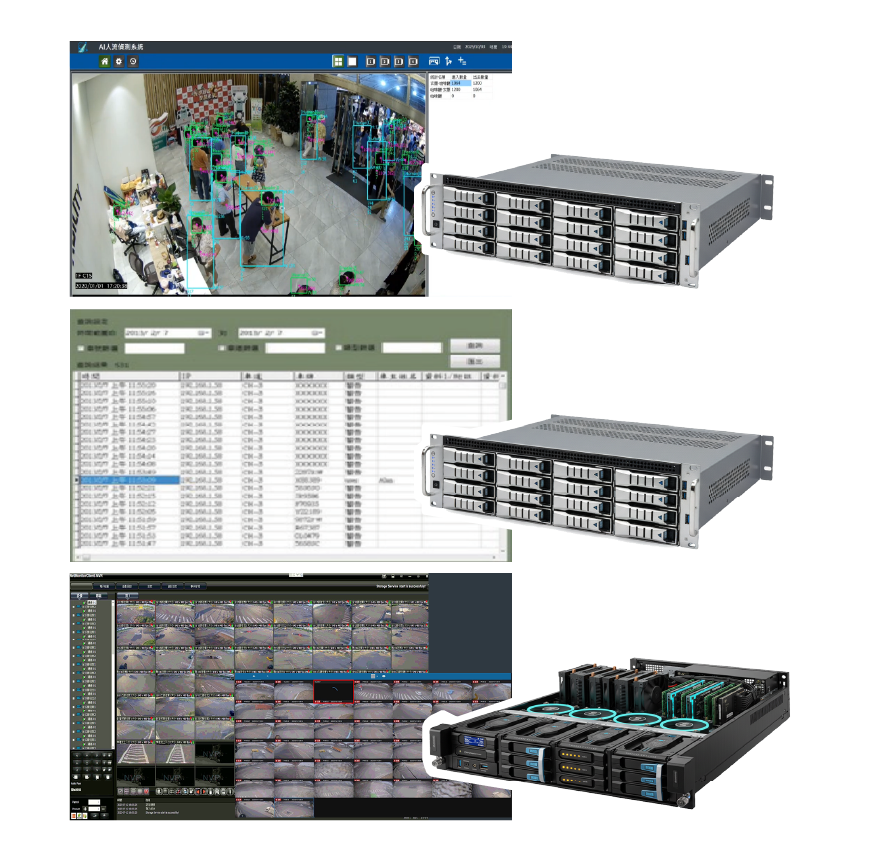
Server-side systems perform centralized people-flow analysis, data integration, and video management for all sites.

NET WORK

Management Side

The workstation offers real-time people flow, statistics, and recording access.

Distributed / Edge Architecture

Field Side


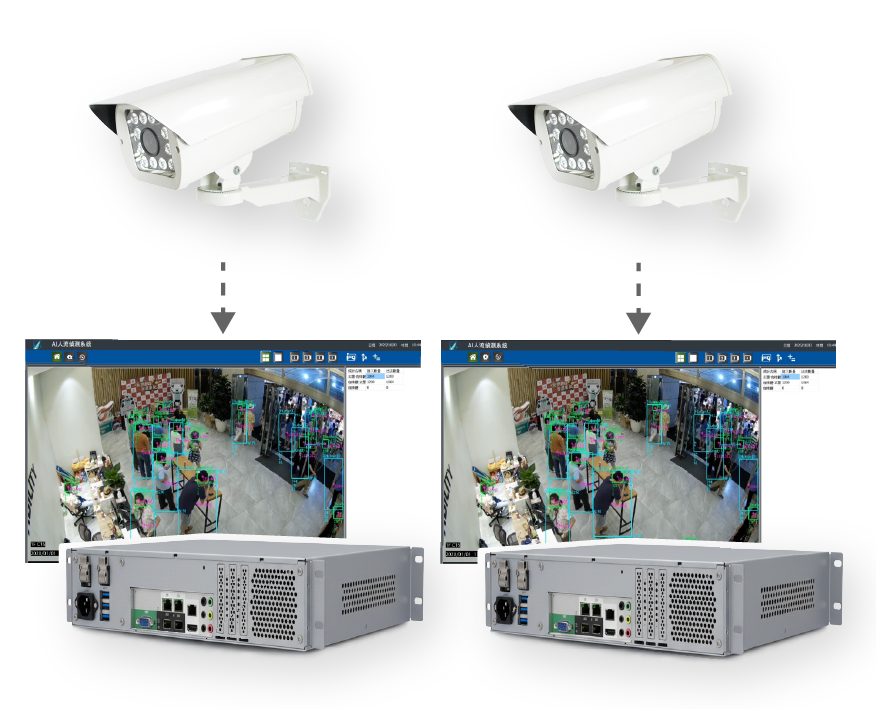
Cameras send video to the analyzer for on-site people counting and flow analysis, with results and streams returned to the server system.

NET WORK

Server Side

The data server receives and consolidates site events and data, while the video server centrally manages all footage.

NET WORK

Management Side


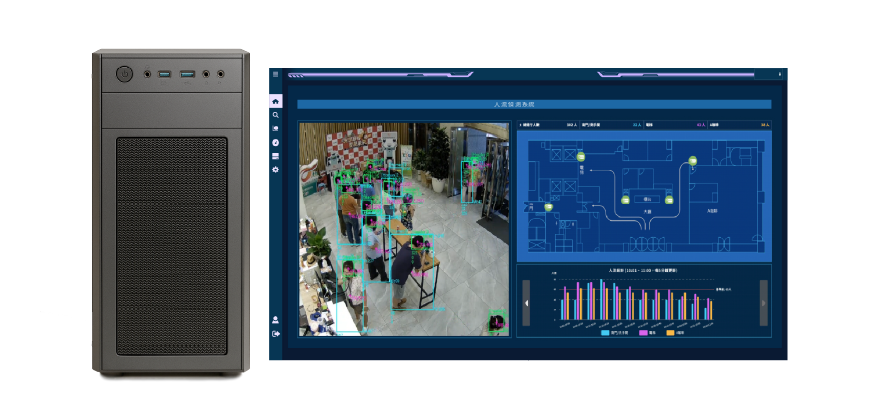
The workstation offers real-time people flow, statistics, and recording access.


Core Functions

  • Real-Time Entry and Exit Counting & Occupancy Statistics.
  • Flow Path Analysis & Peak/Off-Peak Identification
  • Hotspot and Congestion Alerts
  • Abnormal Behavior Monitoring
  • Area Utilization & Operational Efficiency Analysis
  • Report Generation
  • System Integration for Crowd Guidance

Application Fields

Retail and Shopping Malls

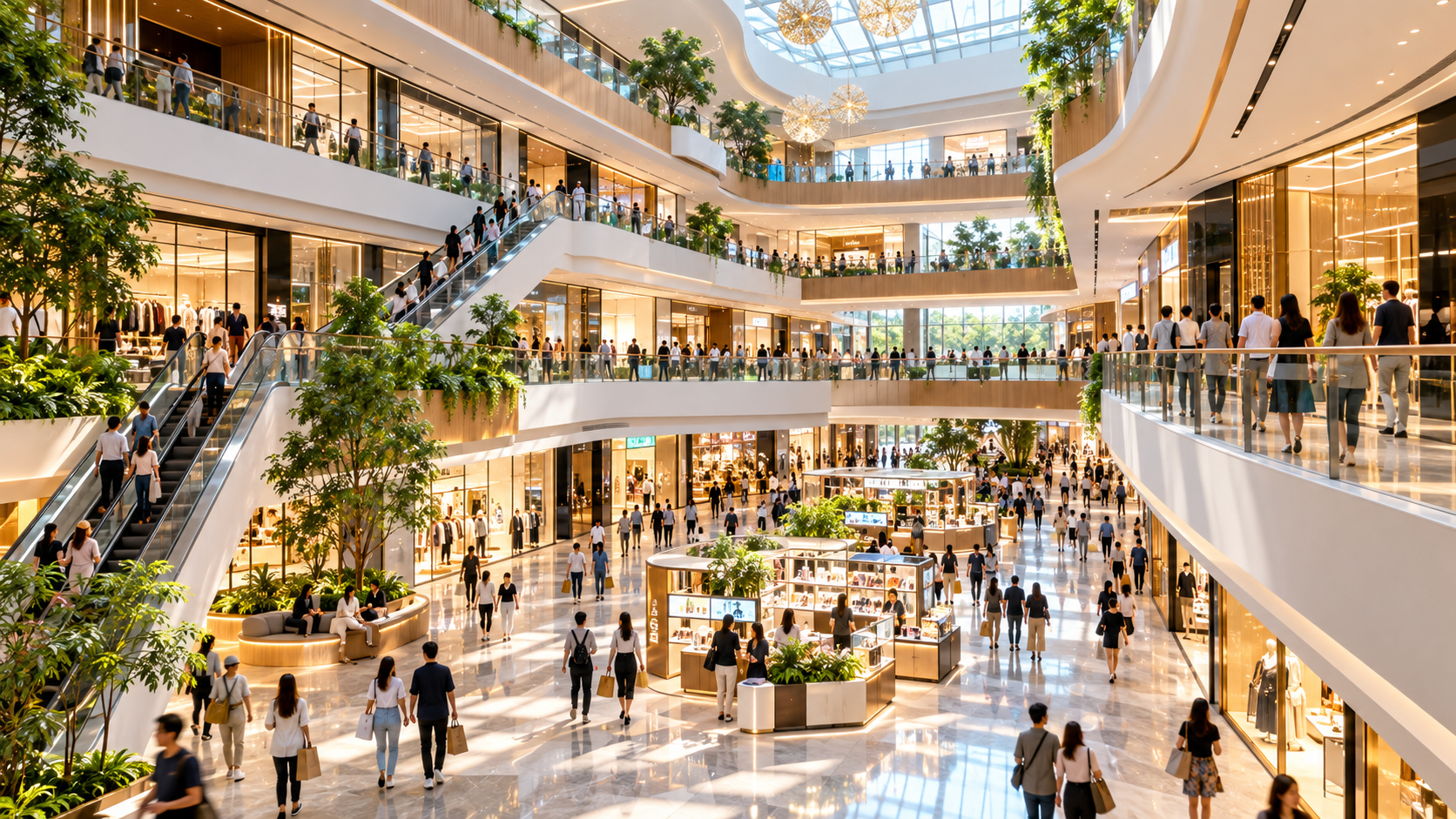
First, accurately monitor customer traffic and movement patterns to optimize marketing strategies and store layouts.

Major Transportation Hubs

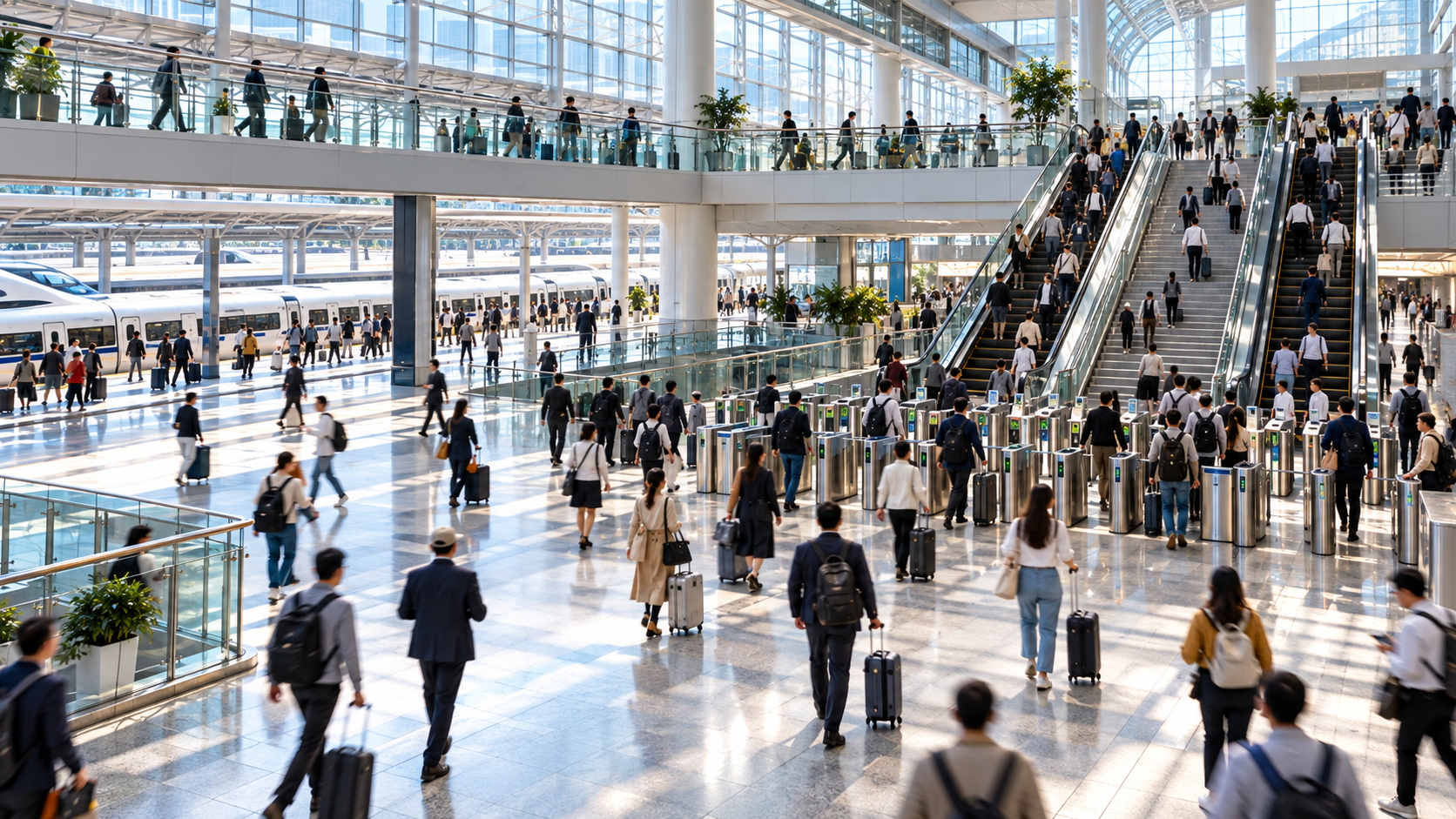
Similarly, in major transportation hubs, this system is used in train stations, metro systems, and airports to track passenger flow, ensuring transportation safety and operational efficiency.

Exhibitions and Events

In addition, at exhibitions and events, this system provides real-time attendance statistics to assist with on-site safety management and emergency evacuation planning.

Public Buildings and Campuses

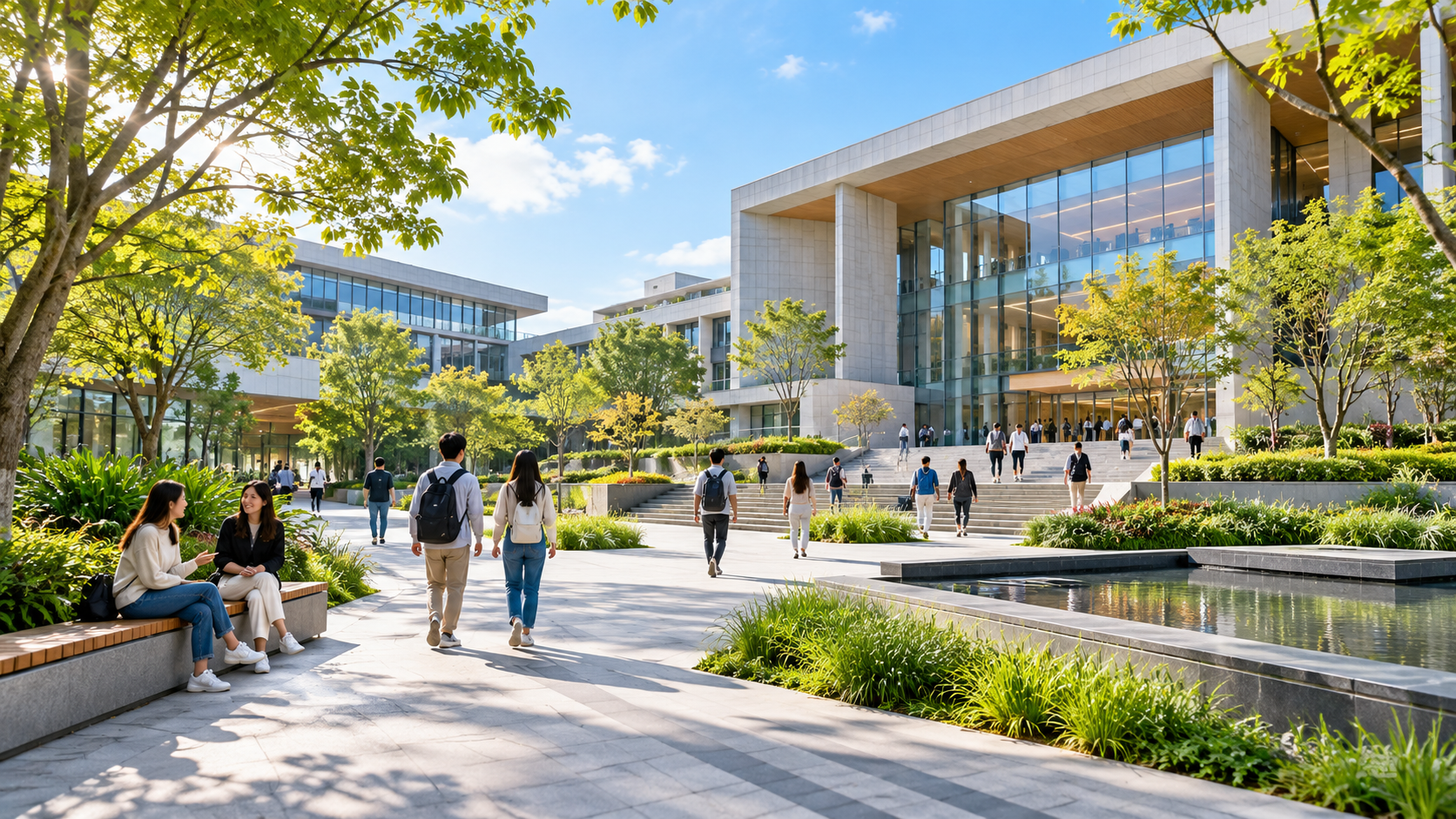
Furthermore, in public buildings and campuses such as museums, schools, and parks, it offers crowd analytics to enhance service quality and visitor experience.

Industrial and Park Management

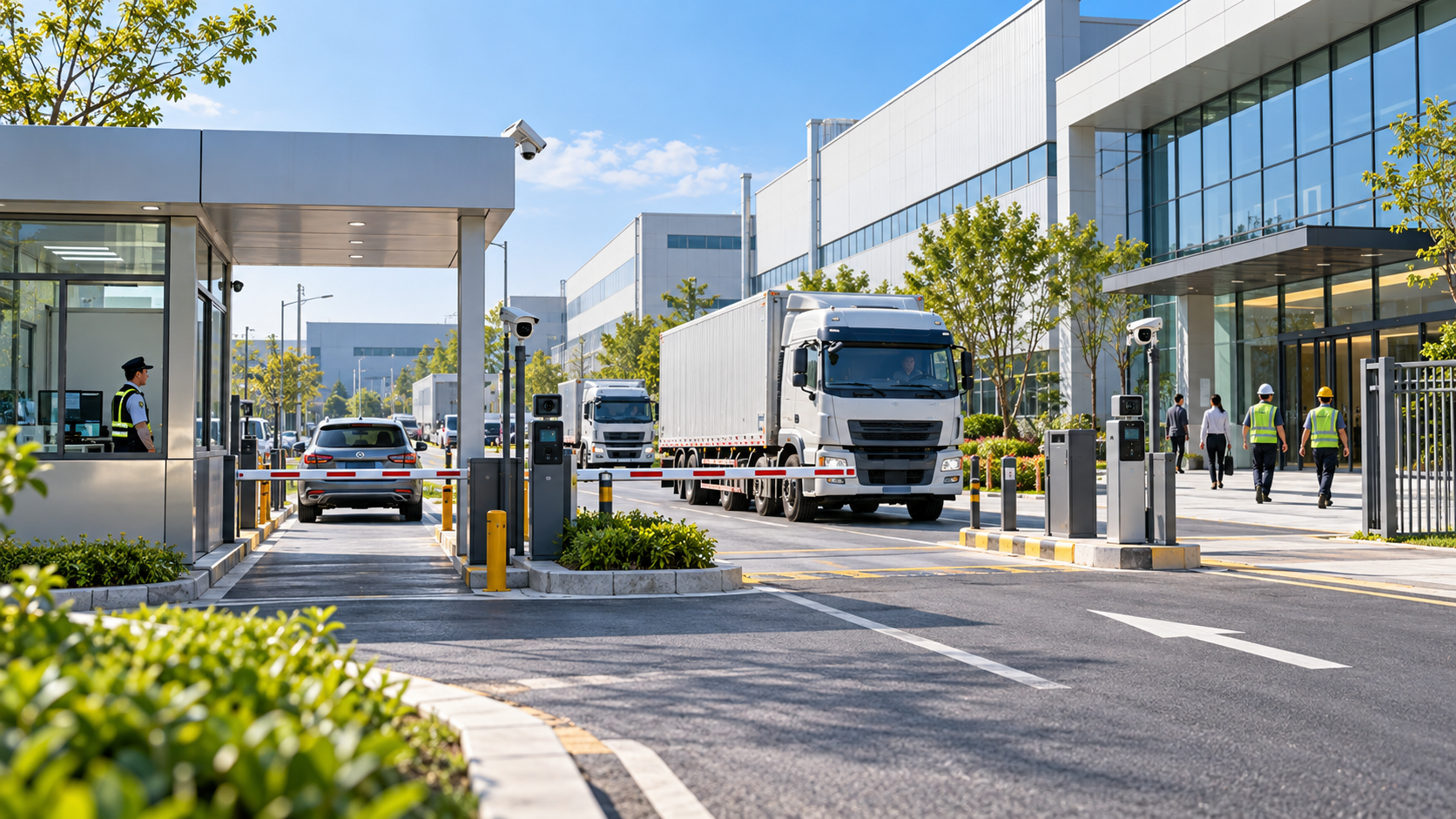
Finally, for industrial and park management, this system monitors employee and visitor traffic to improve site safety and operational efficiency.

Smart Cities

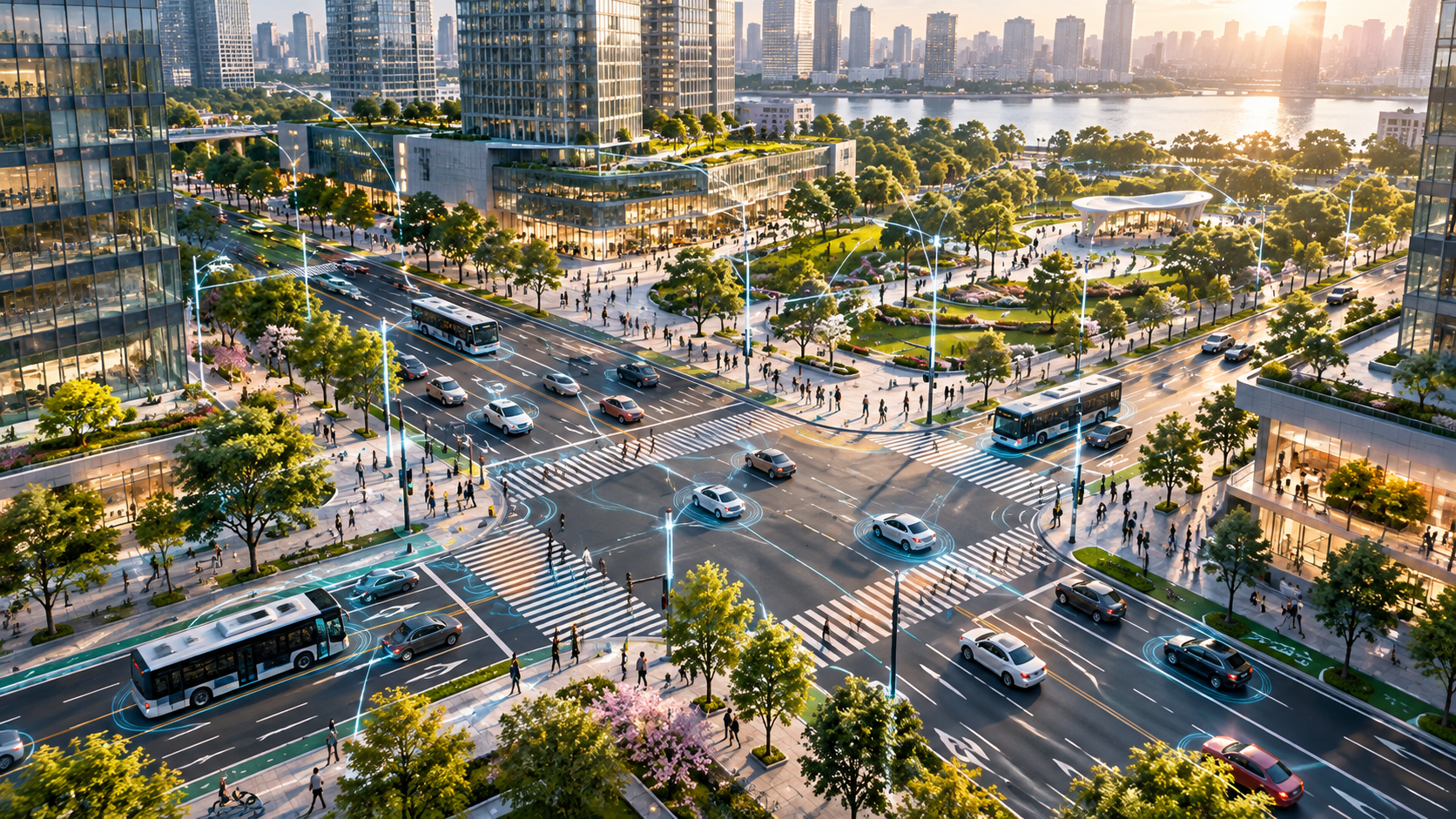
Moreover, in the context of smart cities, this system serves as a key data foundation for urban planning and public safety, supporting traffic diversion and public facility design.