Container Code Recognition (CCR)

Container Code Recognition (CCR)

The Vehicle Detection System (VDS) is a core application in intelligent traffic
management. It uses high-resolution cameras and artificial intelligence (AI)-powered
image recognition, a technology that enables computers to identify and classify
objects in images or video streams, to collect real-time traffic data at intersections.
VDS analyzes vehicle turning movements (how vehicles make left, right, or U-turns)
and directional flow (the direction in which vehicles travel through the intersection).

The system identifies each vehicle’s movement direction: left turn, right turn, or straight.
It then generates detailed turning flow statistics. This data gives critical insights for traffic
signal optimization, road network design, and transportation policy planning.

Compared to traditional magnetic sensors or induction loops—devices that detect metal
vehicles buried under the road surface—VDS needs no large-scale construction. This
allows rapid deployment across intersections or road environments. The system goes
beyond basic vehicle counting. It classifies different vehicle types—such as passenger
cars, motorcycles, buses, and trucks—so traffic authorities can better understand driving
behavior across categories.

This capability is particularly valuable for urban arterials, highway ramps, and large facility
entrances and exits. It allows traffic monitoring to go beyond detecting vehicle presence.
VDS helps authorities understand traffic movement patterns.

----------------

The VDS system’s value lies in three key aspects:

1. Smart Signal Control – VDS provides real-time turning ratio data. Traffic control centers
can dynamically adjust signal timings based on actual conditions. This reduces congestion
and improves throughput.
2. Traffic Planning – Long-term data accumulation supports precise analysis of turning demands.
It helps engineers assess if dedicated lanes or road design adjustments are needed.
3. Traffic Enforcement – VDS detects violations such as illegal turns, wrong-way driving, and
lane misuse in real time. It provides video evidence and reduces manual enforcement costs.

From a technical perspective, VDS can use edge computing for on-site recognition. It transmits
only structured data, reducing network latency. VDS can also integrate with cloud-based
platforms for data aggregation and trend analysis across intersections.

To ensure stable performance in low light, rainy or foggy weather, and heavy traffic, the system
uses infrared illumination and multi-lens stitching. Continuous AI model optimization improves
accuracy.

In summary, the VDS Vehicle Detection System is a foundational tool for traffic signal optimization.
It is also a key enabler of intelligent transportation and smart city development. VDS helps cities
achieve greater efficiency, safety, and sustainability in road management.

AI Recognition Items

Container Code Detection

The system automatically locates the container code area, reduces manual input, and ensures accurate downstream recognition.

Container OCR

Reads container identification code images and converts them into structured data, enabling users to achieve real-time character reading and faster data processing.

多國貨櫃碼識別

支援不同國家與標準碼格式,適用跨境及多語環境

貨櫃尺寸辨識

自動判別貨櫃長寬高,便於運輸與倉儲管理

貨櫃類型辨識

區分標準箱、冷藏箱、開頂箱等類型

異常事件偵測

偵測貨櫃破損、非法進出或錯誤堆放,支援即時警示

邊緣 AI 運算

攝影機端即時運算,降低伺服器負擔並提升辨識速度


Key Features

Container Code Recognition (CCR)
  • 貨櫃專用架構

    專為貨櫃尺寸、標準碼與堆放場景設計

  • 彈性部署

    支援集中式或分散式架構,適應各規模場站

  • 高穩定性

    全天候、各種光線及高速作業下保持穩定運作

  • 即時資料處理

    邊緣運算 + 結構化數據傳輸,降低延遲與伺服器負擔

  • 多系統整合

    與 WMS、TMS、ERP 及閘口控制系統無縫串接

  • 可擴充性

    可新增攝影機、檢測點或功能模組,隨業務成長擴展

  • AI 持續學習與模型更新

    定期更新模型以因應新貨櫃格式與場景變化需求,並支援遠端功能,確保長期穩定運作

  • 安全監控

    異常貨櫃偵測、破損警示及未授權進出報警


Application Fields

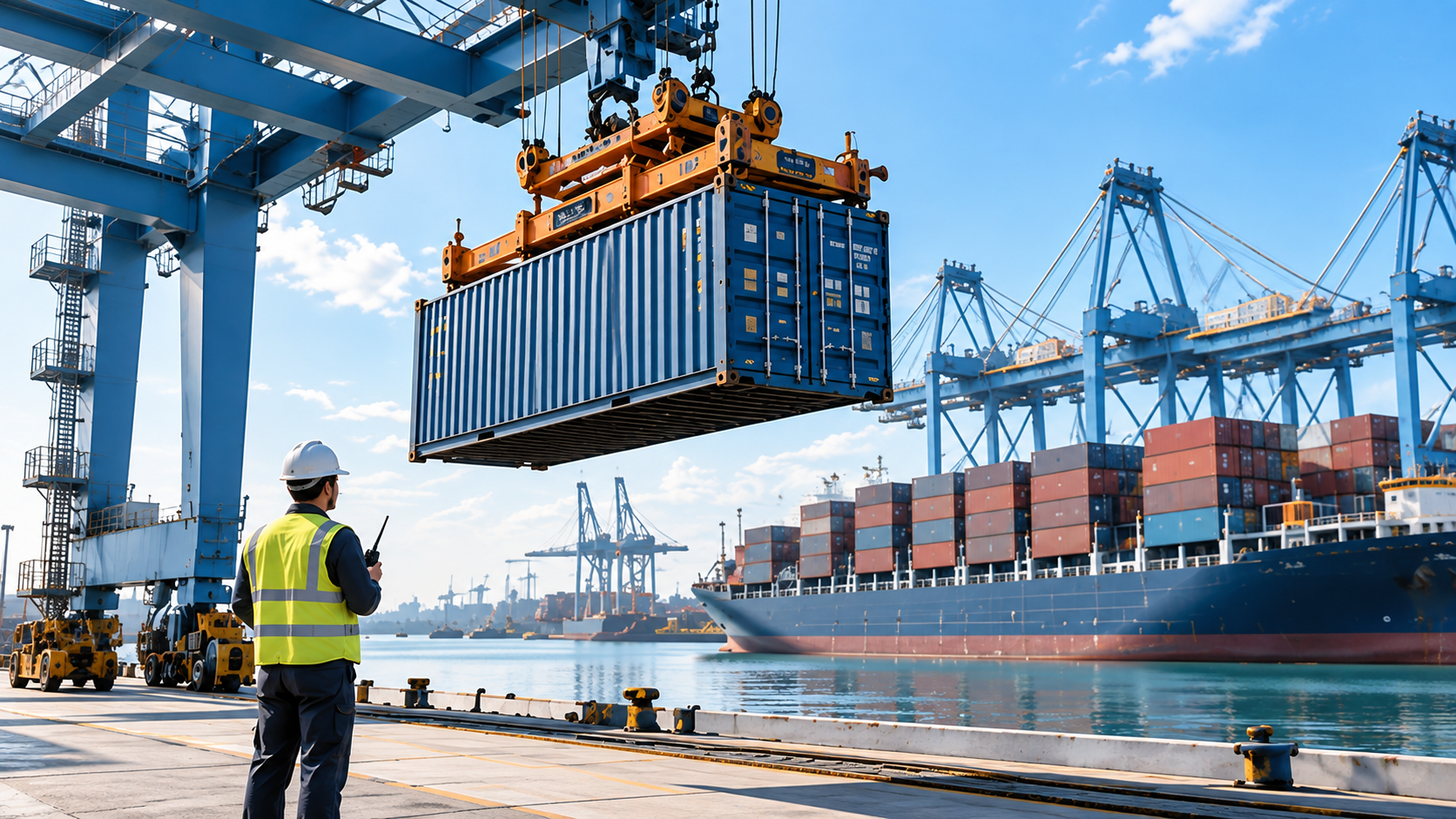
港口管理

自動辨識進出港口貨櫃,提升裝卸與調度效率。

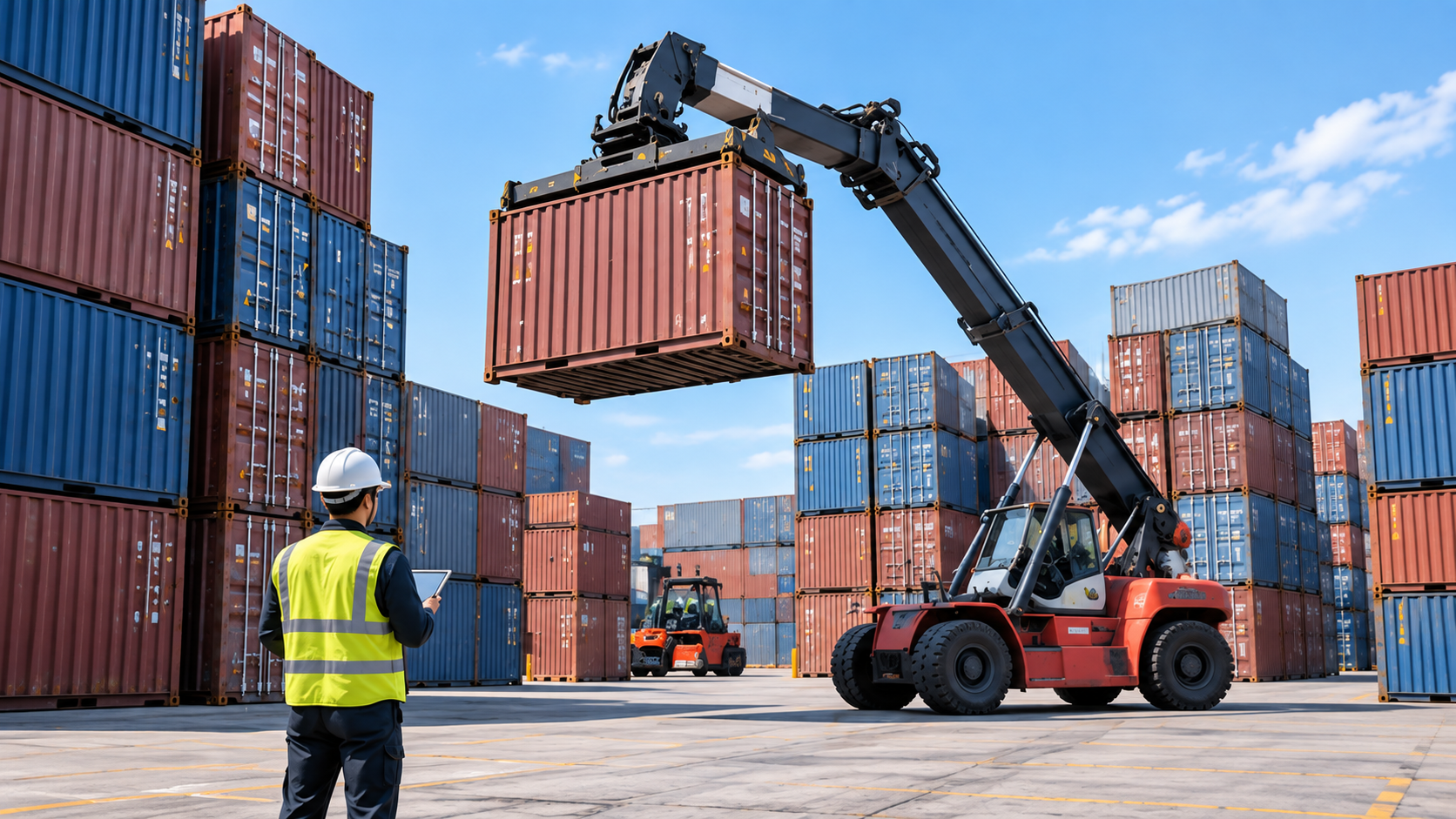
物流園區

貨櫃自動登錄與追蹤,降低人工操作與錯誤率。

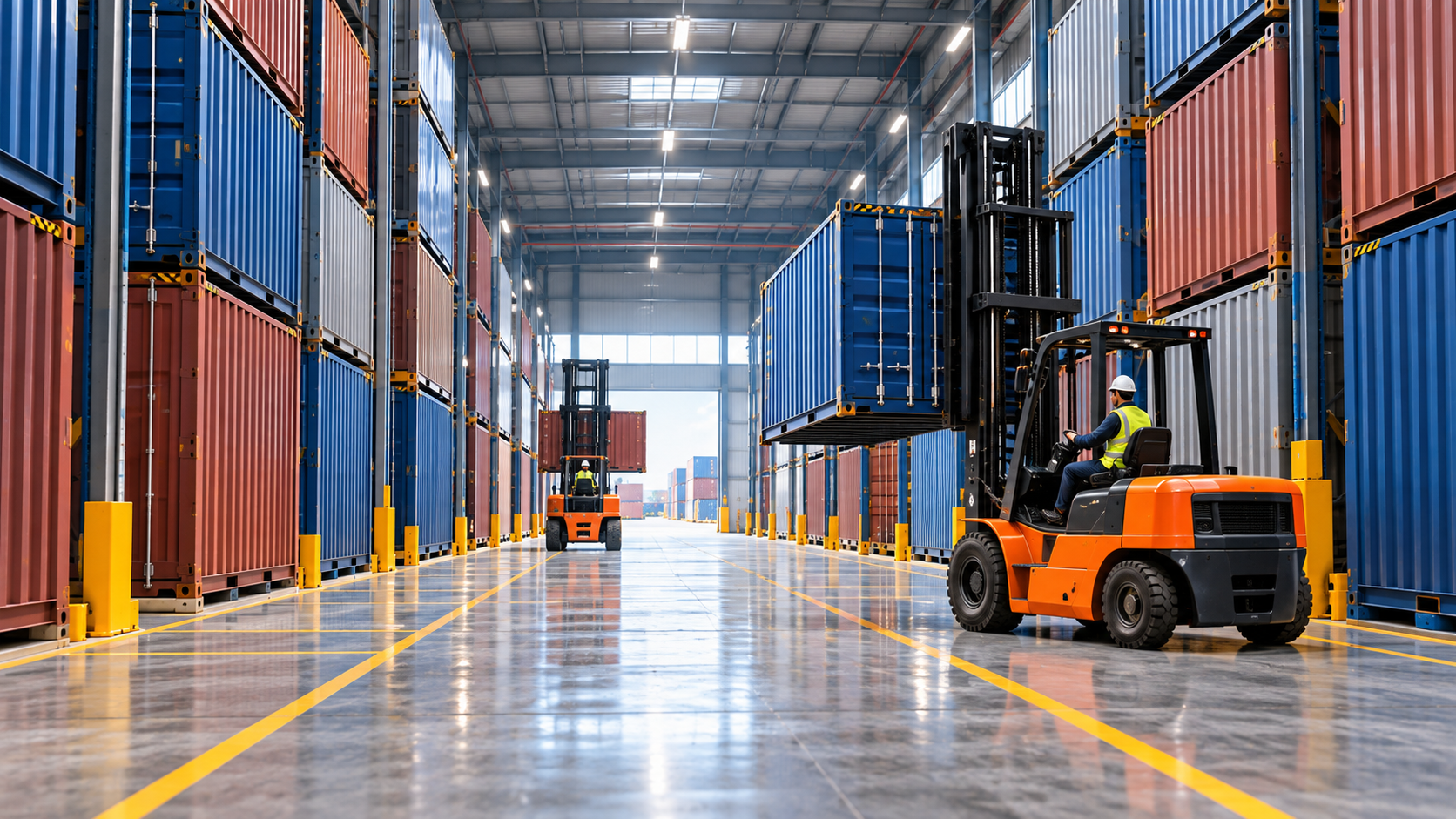
倉儲中心

辨識貨櫃尺寸與類型,輔助倉儲分區與堆放管理。

運輸追蹤

搭配車輛進出管理與 GPS 系統,完整追蹤貨櫃運輸路線。

安全監控

異常貨櫃或非法進出即時警示,提高場站安全性。