Vehicle Detection System (VDS)

Vehicle Detection System (VDS)

The Vehicle Detection System (VDS) uses AI-powered image recognition and high-resolution cameras to capture real-time traffic movement at intersections. It identifies turning directions, classifies vehicle types, and generates actionable flow data for signal optimization, road planning, and enforcement. Unlike traditional ground sensors, VDS requires no major construction and can be rapidly deployed across diverse road environments. With edge processing, stable performance in challenging weather, and integration with traffic platforms, VDS supports smarter, safer, and more efficient urban mobility.


AI Recognition Items

Vehicle Detection

Deep learning models enable the system to automatically identify various types of vehicles, such as cars, motorcycles, buses, and trucks. High accuracy is maintained, even at night or in 
low-light conditions.

Vehicle Tracking

The system relies on multi-object tracking technology to continuously follow each vehicle’s movement path. This approach helps prevent missed detections or duplicate counts when traffic 
is dense or vehicles are visually occluded.

Vehicle Turning Analysis

By analyzing driving trajectories, the system determines left-turn, right-turn, and straight-going behaviours. Turning ratios and traffic flow statistics are generated to assist in optimizing traffic signals.

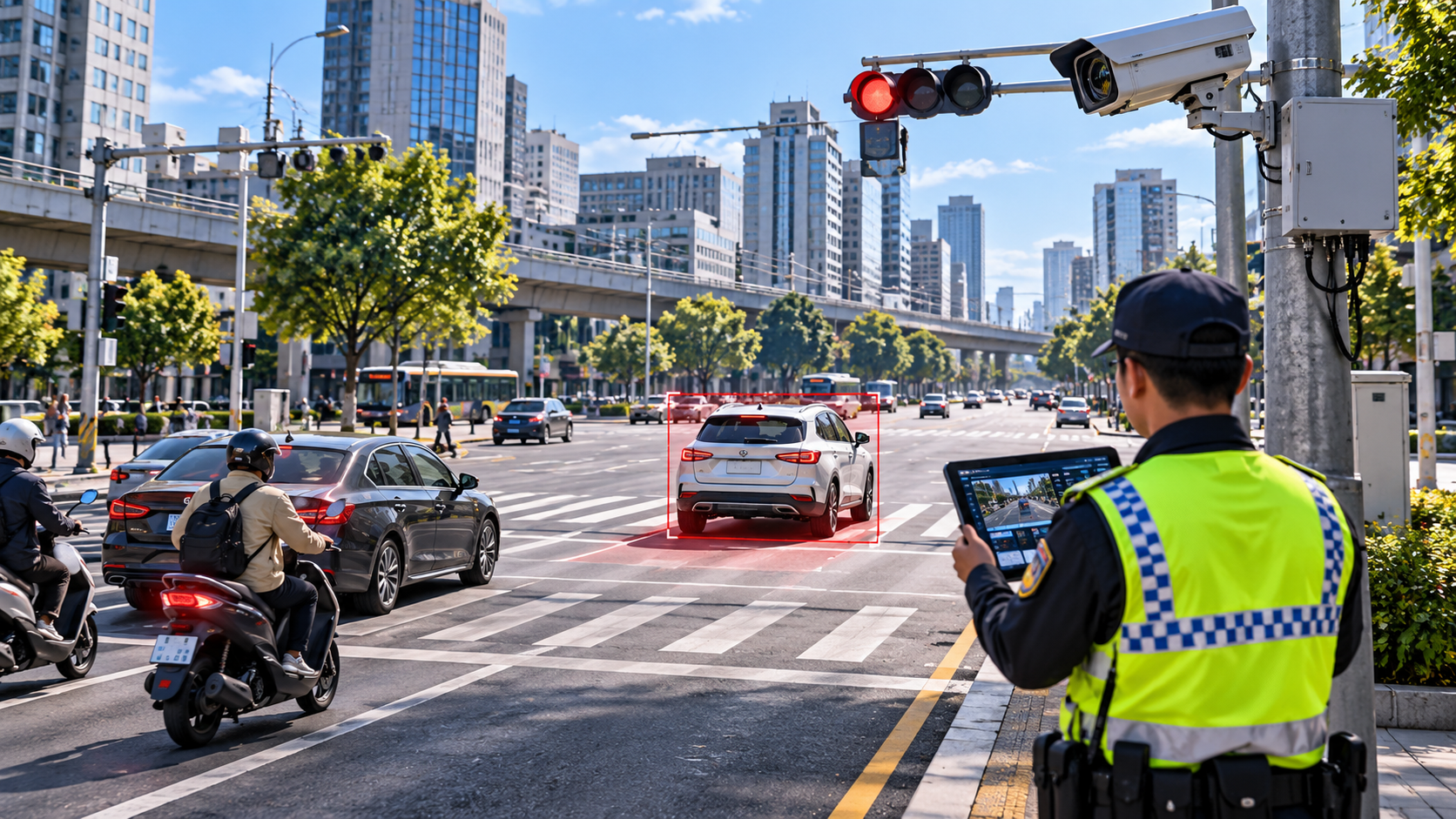
Violation Detection

Wrong-way driving, illegal turns, red-light right turns, and lane misuse are detected automatically. Real-time alerts and enforcement evidence are then provided to authorities.

Traffic Flow Statistics and Prediction

Long-term data on traffic volume, speed, and road usage accumulates over time. AI predictive modelling then uses this data to forecast traffic trends, supporting infrastructure planning and policy decisions.

Multi-source Data Fusion

Video data is integrated with other sensing technologies, such as radar, geomagnetic sensors, and GPS. This multi-source fusion improves accuracy and reliability, especially in challenging weather or complex environments.


Key Features

Vehicle Detection System (VDS)
  • High-Precision Recognition

    Utilize AI image analysis technology to accurately detect various vehicle types under all lighting conditions, minimizing missed detections and false positives.

  • Real-Time Performance

    Deliver instant traffic and turning flow analysis to support real-time traffic monitoring and enable dynamic signal control adjustments.

  • Multi-Vehicle Classification

    Classify passenger cars, motorcycles, buses, and trucks beyond basic traffic volume counting to enable precise traffic planning and data-driven management.

  • Violation Detection

    Automatically detect wrong-way driving, illegal turns, red-light violations, and lane misuse to improve road safety and enhance law enforcement efficiency.

  • Vehicle Tracking

    Analyze left-turn, right-turn, and straight-through movements to generate turning ratios and traffic flow statistics for signal timing optimization.

  • Cross-System Integration

    Provide standardized interfaces and APIs for seamless integration with smart signal control systems, traffic management platforms, and urban big data systems.

  • Multi-Environment Adaptability

    Combine infrared illumination, multi-lens stitching, and optimized AI models to maintain high stability in heavy traffic, adverse weather, and low-light conditions.

  • Flexible Deployment

    Edge and cloud options allow real-time analysis or centralized management, letting users optimize performance according to operational requirements.

  • Historical Data Analysis & Trend Forecasting

    Accumulate long-term traffic data to enable flow analysis, turning behavior research, and future traffic trend predictions, providing a robust foundation for strategic planning and decision-making.


Core Functions

  • Vehicle Type Detection and Statistics: Automatically identifies different vehicle types (passenger cars, motorcycles, buses, trucks, etc.)
  • Traffic Flow Statistics: Provides traffic volume, speed distribution, and lane occupancy rates for each time period.
  • Traffic Flow Statistics: Provides traffic volume, speed distribution, and lane occupancy rates for each time period.
  • Data Report Output: Supports daily, weekly, and monthly reports, exportable to standard formats.

Application Fields

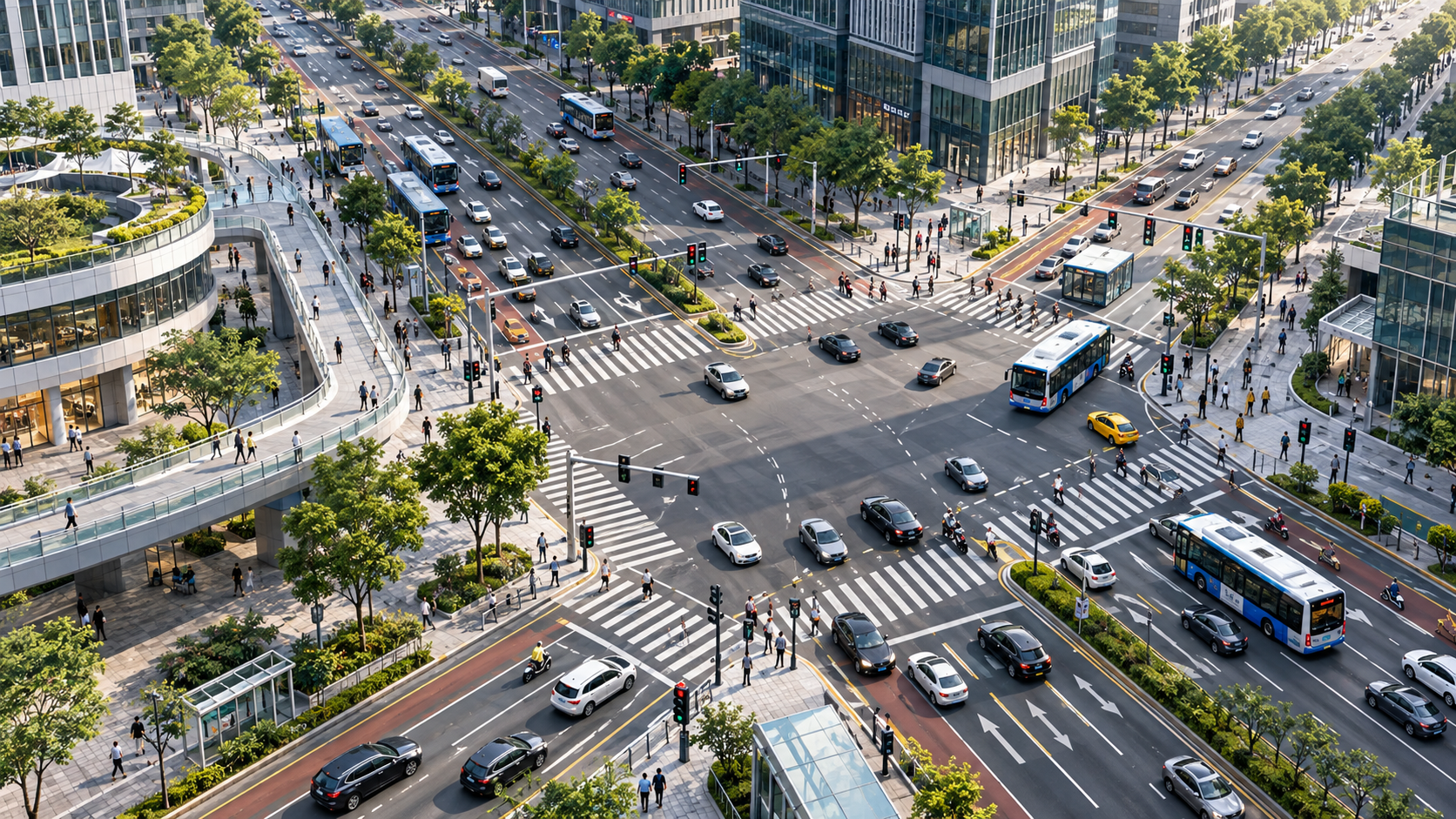
Urban Arterial Roads and Intersections

The system, deployed along high-traffic urban roads and intersections, enables real-time monitoring of vehicle flow and turning movements. This monitoring supports both signal optimization and congestion reduction.

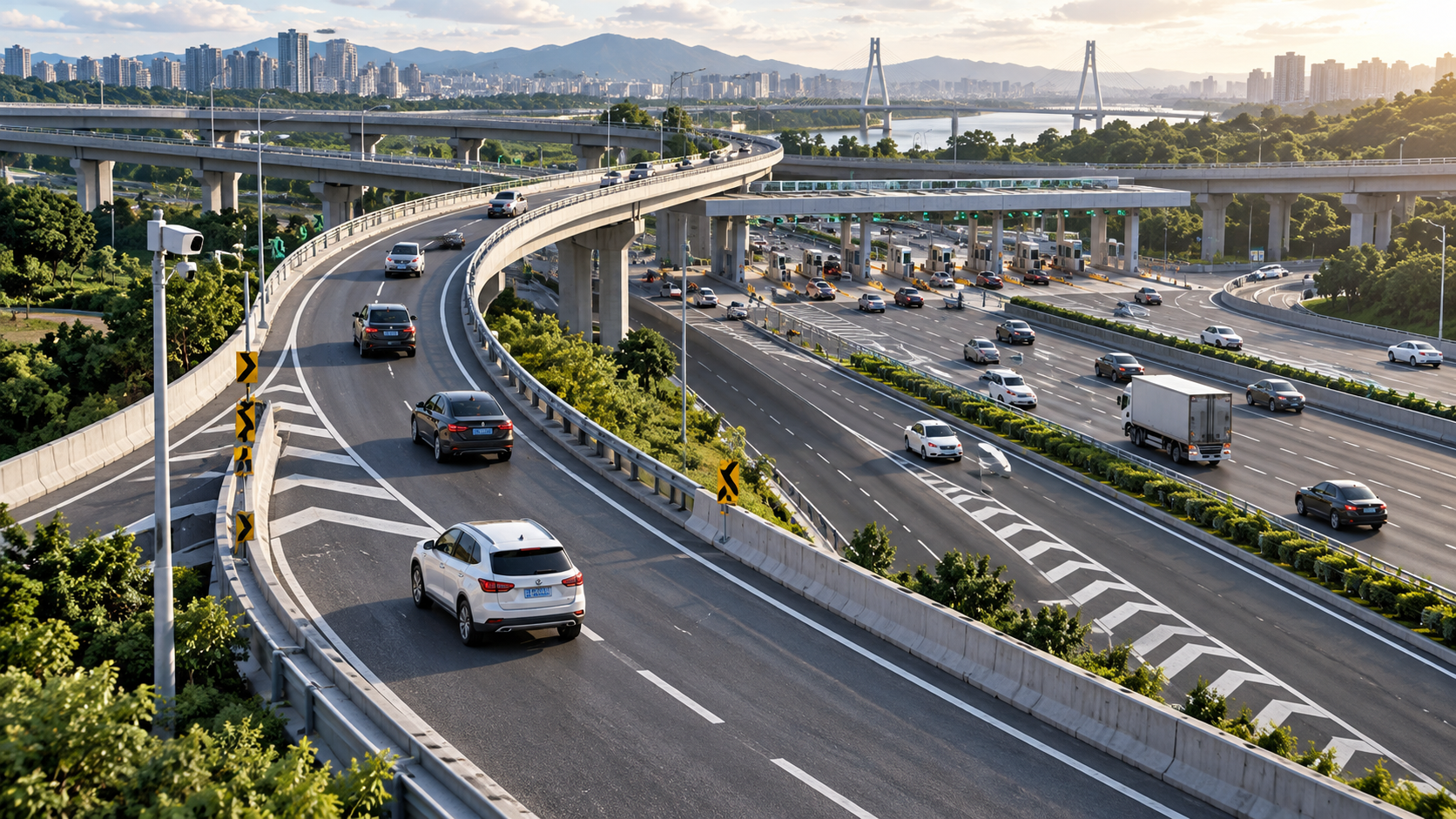
Highway Interchanges and Ramps

At interchange ramps and highway entrances, the system monitors traffic merging and turning behavior. As a result, it enhances driving safety and reduces the risk of traffic accidents.

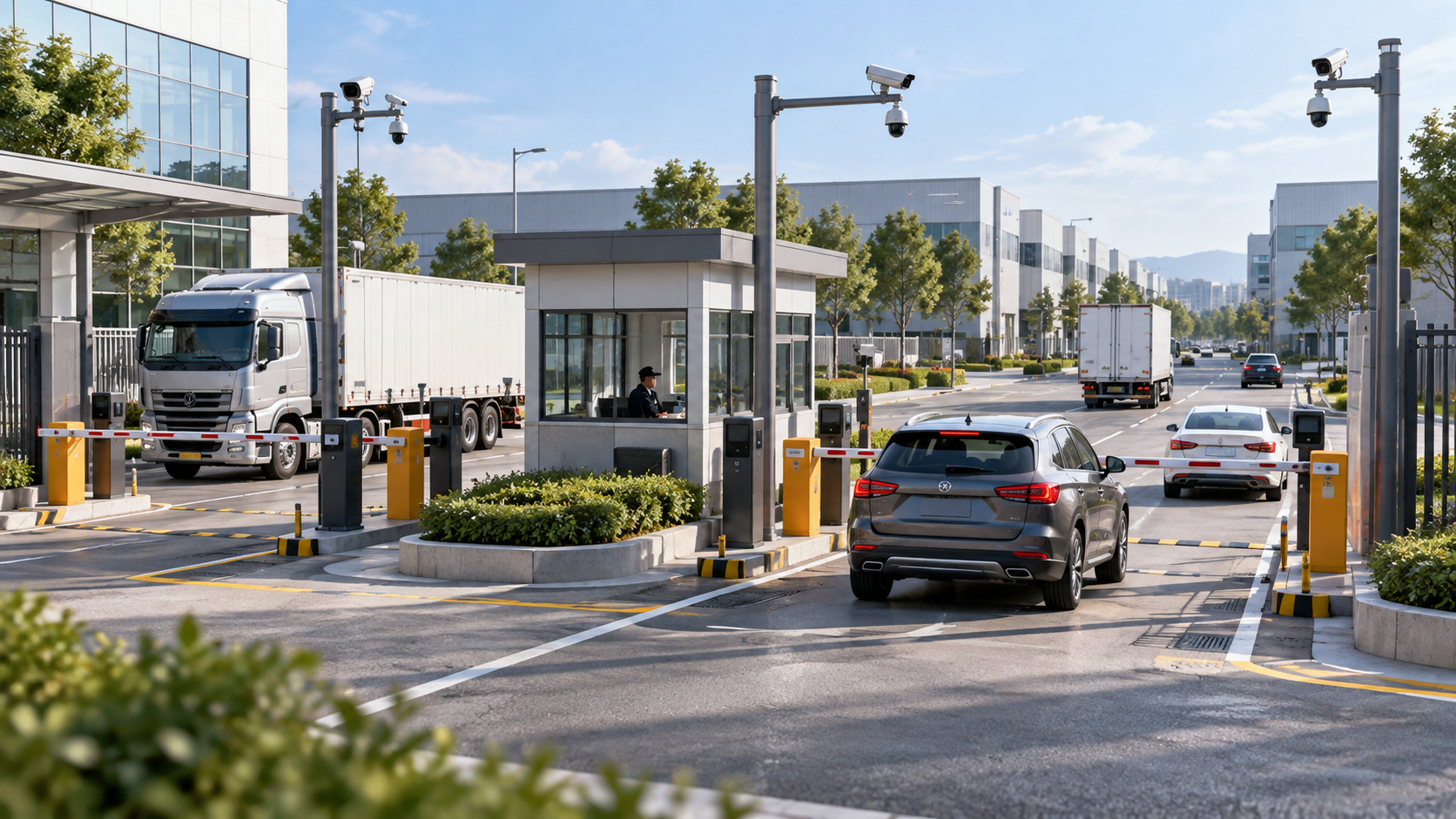
Industrial Parks and Business District Entrances

Vehicle entry, exit, and turning behavior are tracked to assist in traffic management, parking planning, and access control within industrial and commercial zones. By tracking these  activities, the system improves operational efficiency.

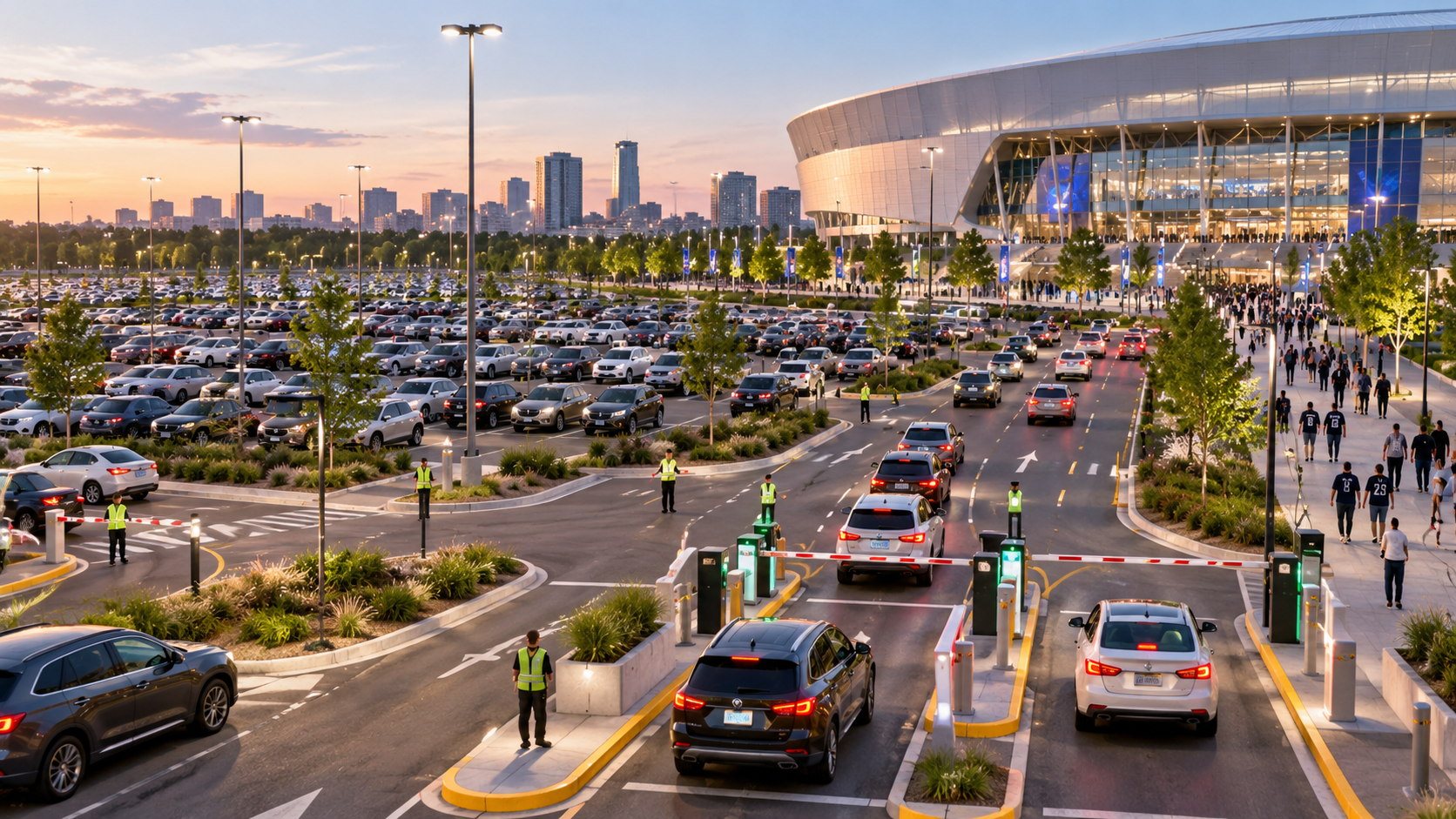
Smart Parking Facilities and Large Event Venues

The system analyzes vehicle entry routes and turning patterns in real time. These insights help improve parking efficiency, prevent congestion, and support traffic management during large events.

Traffic Law Enforcement and Safety Management

By detecting traffic violations, the system provides data to assist authorities in enforcement and monitoring. This improves road safety and helps maintain traffic order.

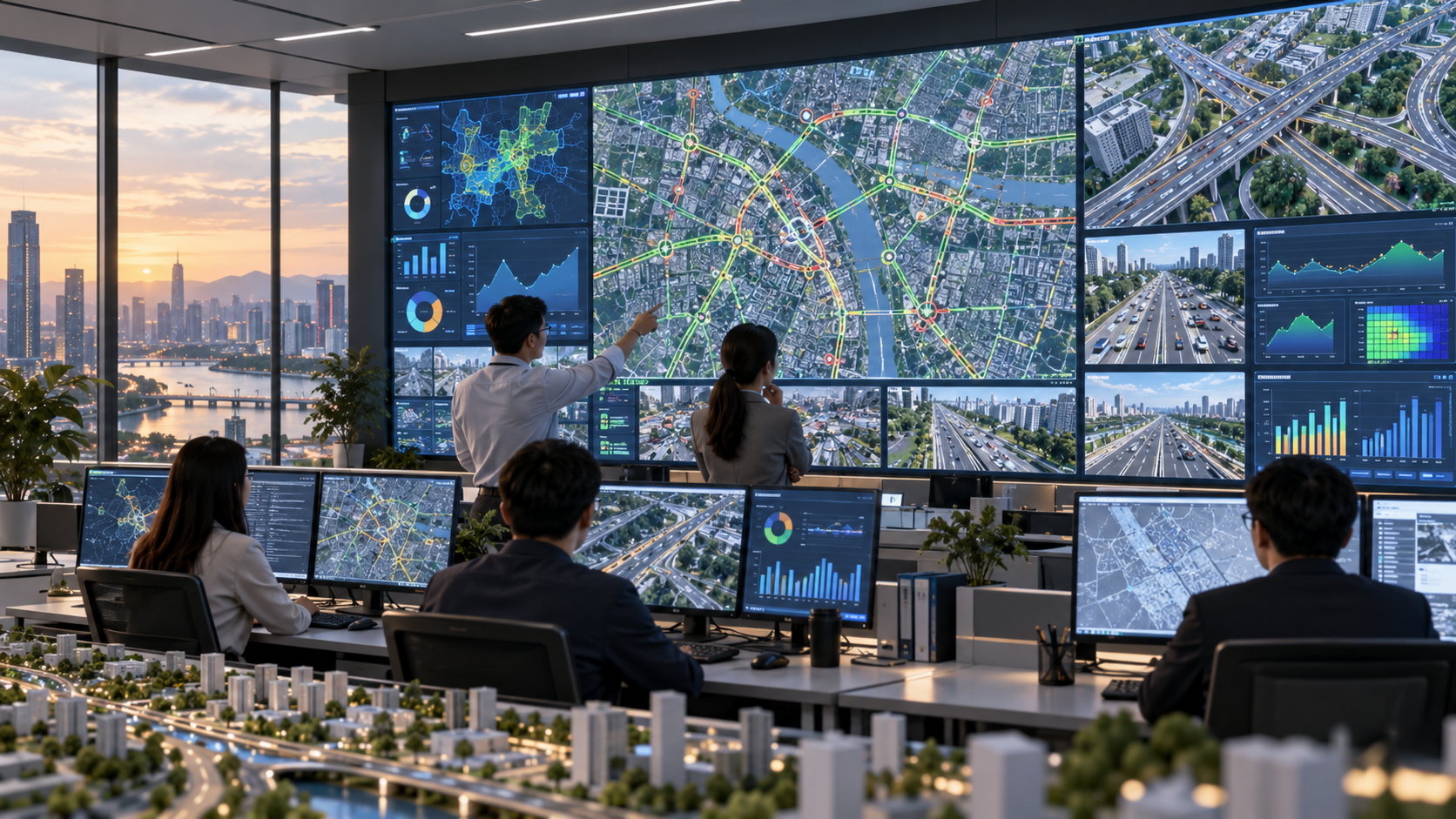
Urban Traffic Planning and Data Analysis

The system accumulates long-term vehicle flow and turning data, supporting road network design, dedicated lane planning, and intelligent traffic strategy development. This process  provides a foundation for city-level decision-making.