Container Damage Detection (CDD)

Container Damage Detection (CDD)

Ability Intelligent’s Container Damage Detection (CDD) system uses AI and computer vision to automate inspection of container exteriors, identifying dents, cracks, deformations, and seal issues more quickly and accurately than manual checks. With high-resolution imaging and deep learning analysis, it marks damage locations, generates instant reports, and operates reliably under varying lighting and weather. The system integrates with port and warehouse platforms for centralized tracking, historical records, and improved maintenance and logistics efficiency.

AI Recognition Items

Dent and Deformation Detection

Uses deep learning image models—artificial intelligence algorithms trained on large numbers of images—to automatically detect dents, deformations, or bends on the container surface and determine the location and severity of damage.

Scratch and Fracture Identification

The system automatically analyzes surface images to identify scratches, cracks, and holes, distinguishing between new and existing damage.

Seal Integrity Detection

The system automatically inspects container seals to determine integrity and detect signs of replacement or tampering, ensuring secure transport.

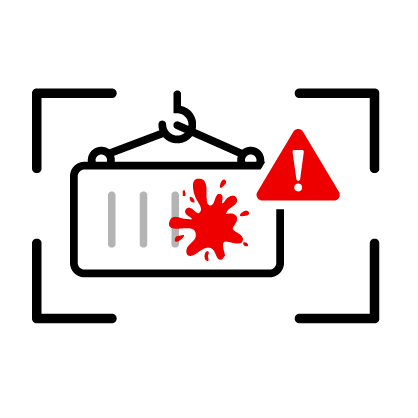
Stain and Corrosion Inspection

The system automatically detects stains, rust, or corrosion on the container surface, helping to prevent long-term damage and support maintenance planning.

Label and Container Code Recognition (OCR)

Through AI Optical Character Recognition (OCR)—a technology that converts images of text into computer-readable characters—the system automatically reads the container numbers, labels, and logistics information, minimizing human reading errors.

Damage Classification and Risk Assessment

The system automatically analyzes damage characteristics and classifies them by severity,  providing repair or claim recommendations for management.

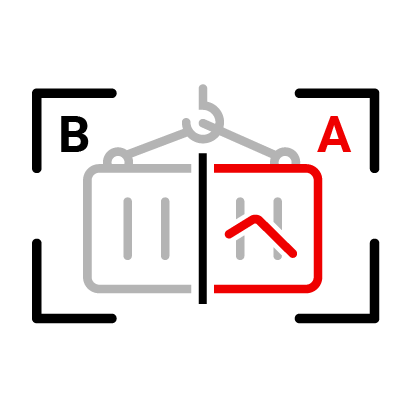
Historical Image Comparison

The system compares the current container image with historical records to automatically detect new damage or changes.

Anomaly Alerts and Real-Time Reporting

The system automatically issues alerts and generates inspection reports when damage exceeds thresholds to support management decisions.


Key Features

Container Damage Detection (CDD)
  • High-Precision Detection

    Utilizes AI deep learning models to automatically identify dents, scratches, cracks, deformations, and seal anomalies, minimizing human oversight and error rates.

  • Automated Operation

    Eliminates the need for manual inspection — the system can continuously scan the container exteriors 24/7, significantly improving operational efficiency.

  • Real-Time Report Generation

    Automatically generates inspection reports after detecting damage, detailing the location, type, and severity to support maintenance and insurance claim decisions.

  • Strong Environmental Adaptability

    Performs reliably under various lighting, weather, and environmental conditions, including strong sunlight, backlight, rain, and nighttime operations.

  • Multi-Size and Multi-Type Container Support

    Compatible with various container sizes and types, meeting the diverse operational needs of ports, logistics centers, and warehouses.

  • Intelligent Data Management

    Supports both cloud and on-premise storage for maintaining historical inspection records, enabling long-term damage tracking, monitoring, and maintenance.

  • Flexible Integration Capability

    Can be integrated with Port Management Systems (PMS), Warehouse Management Systems (WMS) and logistics tracking platforms, achieving centralized data management and automation.

  • Risk Grading and Anomaly Alerts

    The system automatically evaluates the severity of detected damage and issues alerts for anomalies or high-risk conditions, enhancing operational safety and decision-making.


Core Functions

  • Seamlessly integrates with Port Management Systems (PMS)
  • Fully Integrate the Warehouse Management System (WMS)
  • Support integration with logistics tracking platforms to establish a centralized data management framework.
  • Offering dual-mode storage in both cloud and on-premises environments
  • Features detailed report and record export capabilities
  • Assist enterprises in strengthening claims adjudication and optimizing operational processes

Application Fields

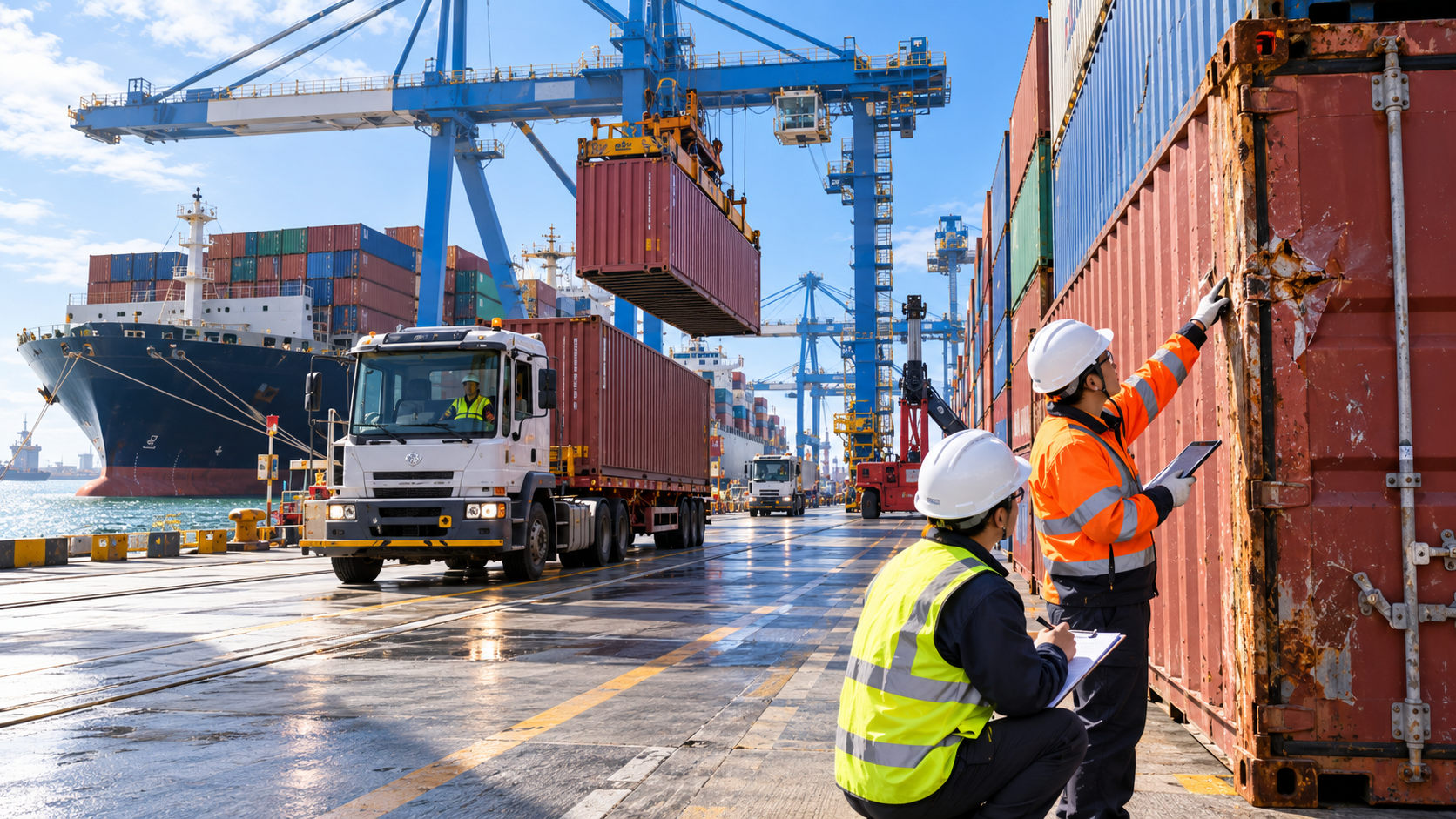
Ports and Terminals

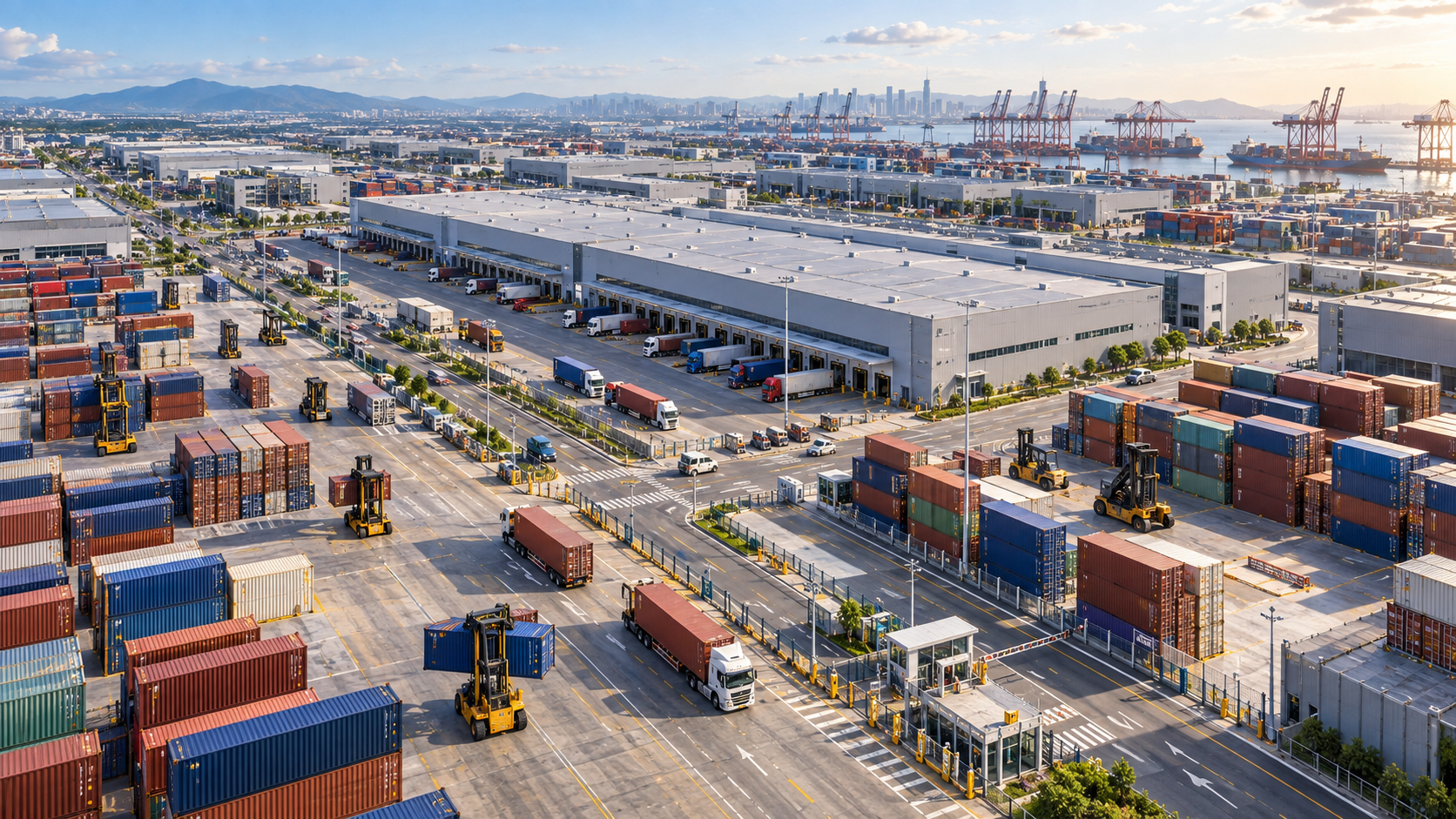
Automatically inspects inbound and outbound containers for exterior damage, improving clearance efficiency and reducing manual inspection effort.

智慧交通號誌

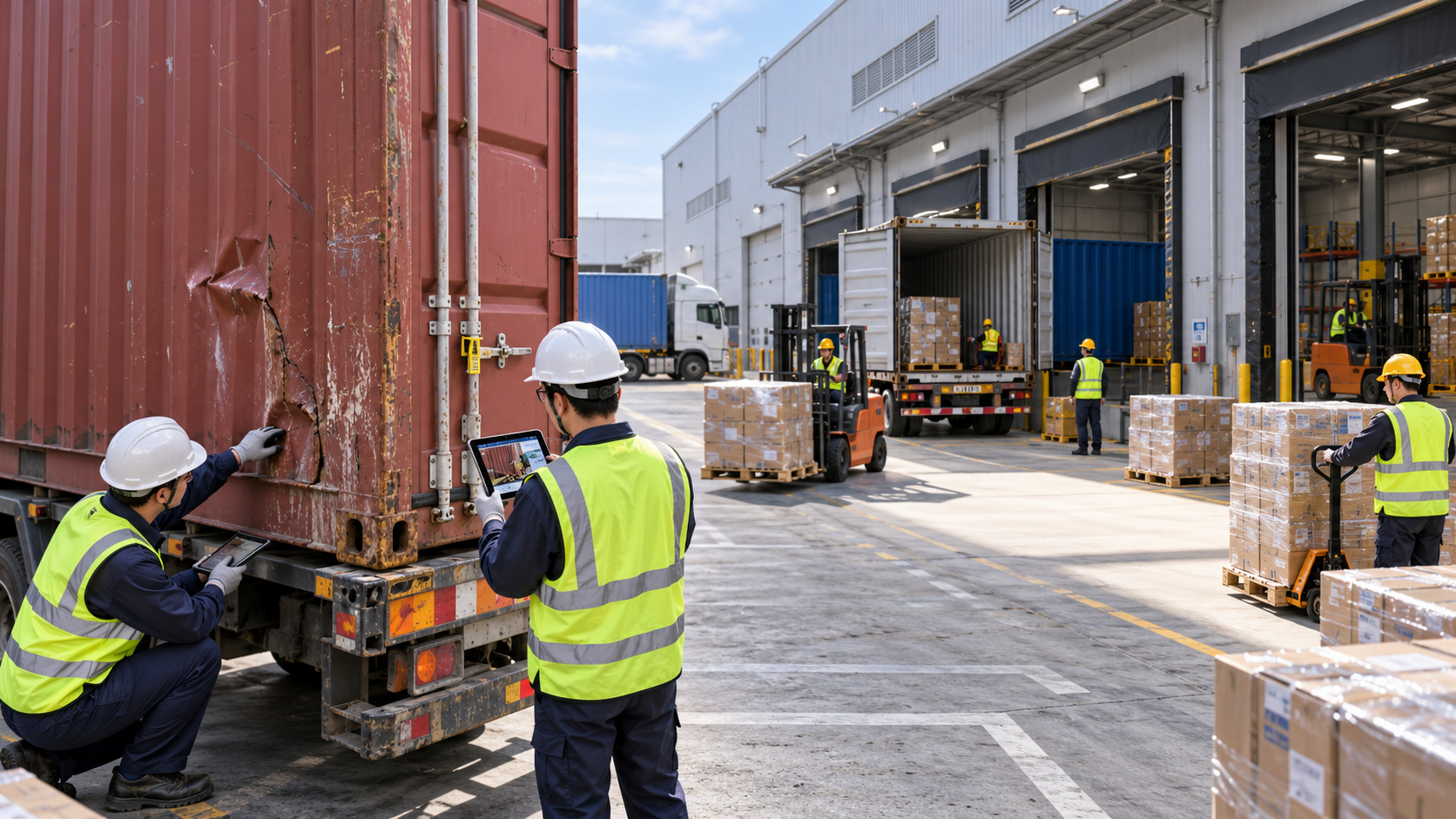
Logistics Centers and Warehouses

Automates check-in/check-out inspections, quickly identifying exterior damage to streamline warehouse operations.

違規取締

Transportation and Freight Companies

Monitors containers in transit, detecting damage and generating real-time reports for claims and liability management.

園區與企業門禁

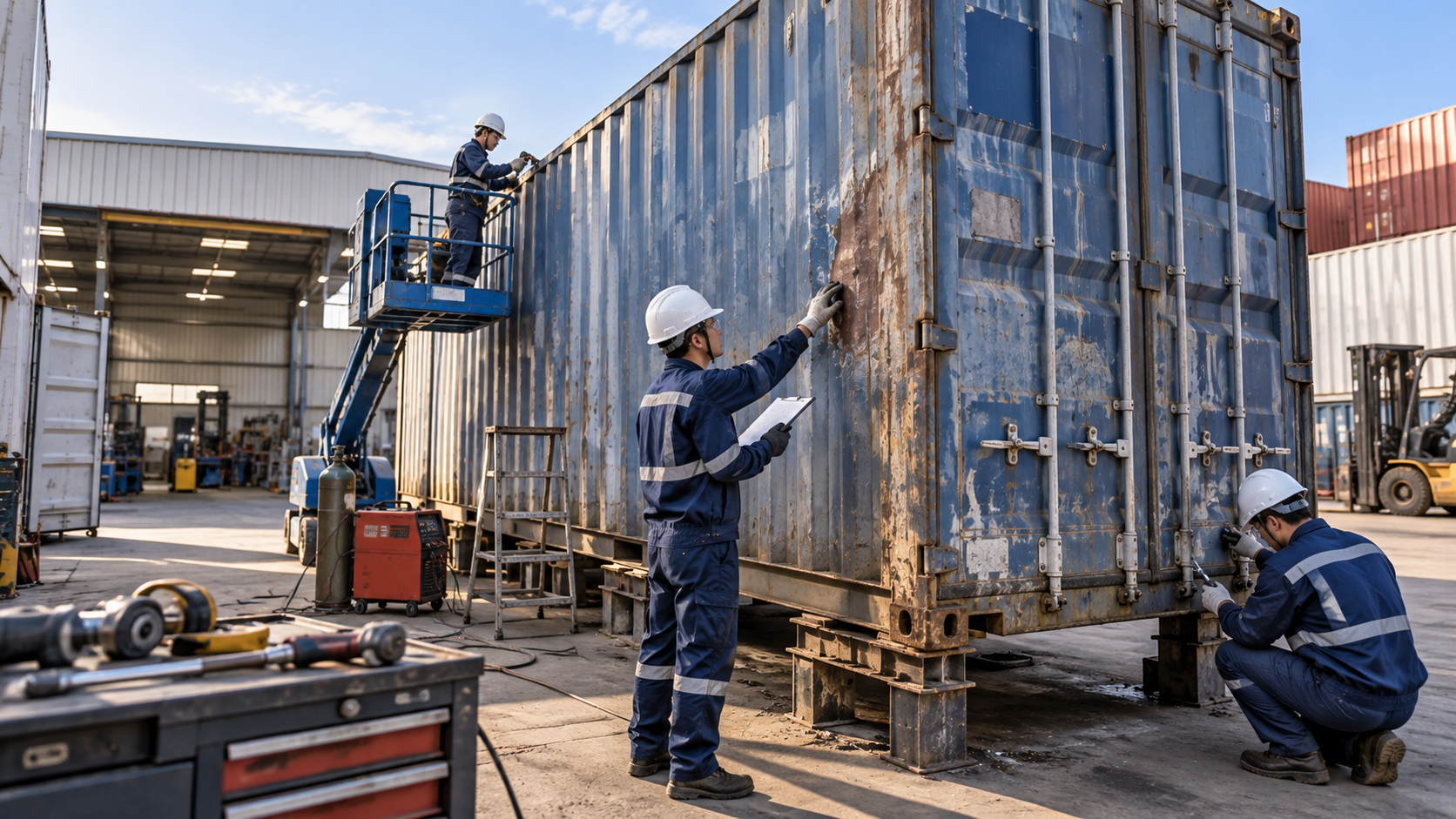
Container Leasing and Maintenance Companies

Provides real-time damage detection, repair recommendations, and historical records to support maintenance planning.

停車場管理

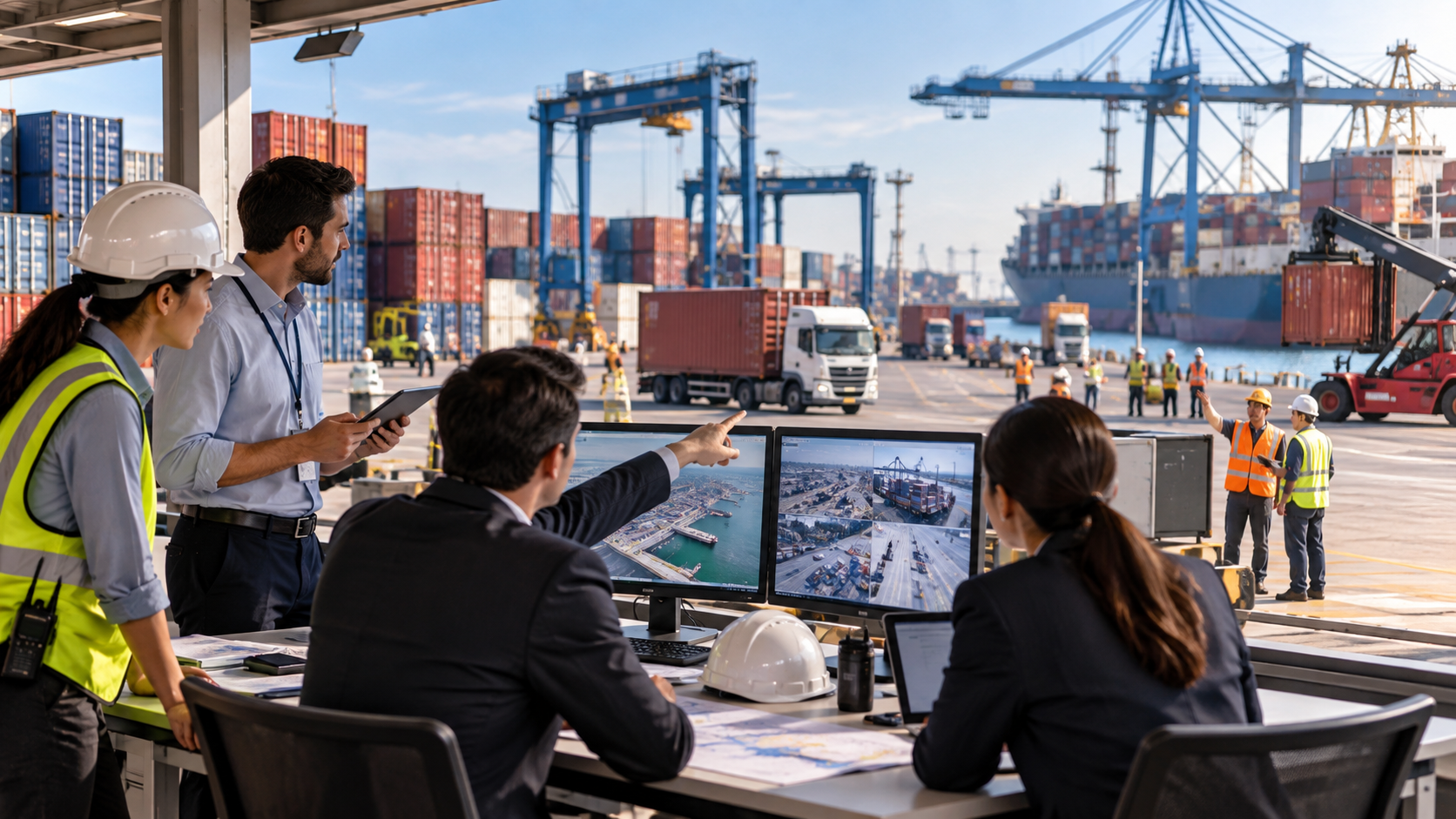
Supply Chain Management

Integrates container condition data with logistics systems to increase visibility, reduce risk, and improve supply chain efficiency.

Port Security and Public Safety

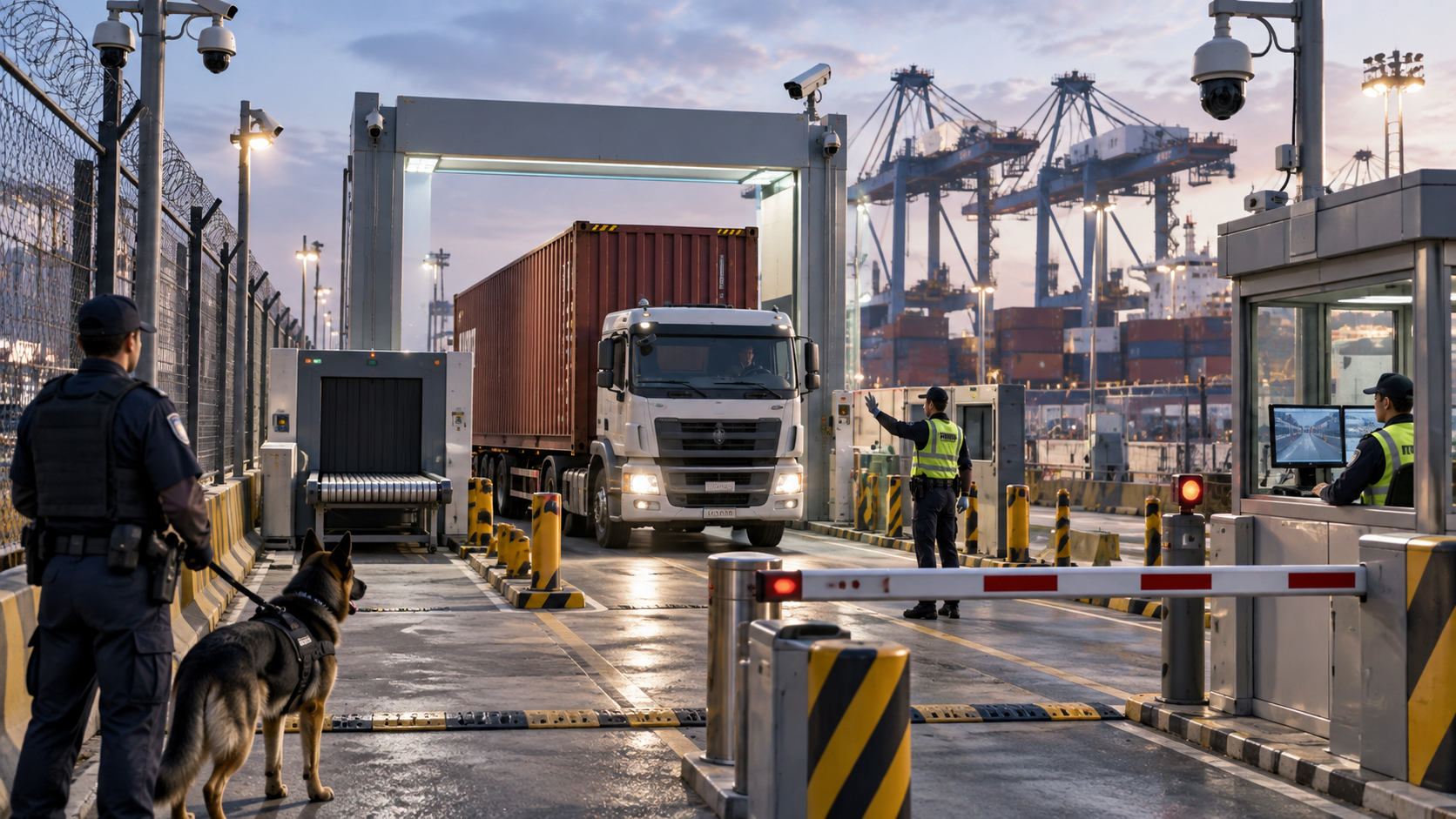
Enhances security by detecting abnormal or high-risk containers in real time across port operations.

Large Warehouses and Industrial Parks

Enables automated inspections across multiple sites, reducing labour needs and supporting diverse container types and locations.

International Trade and Export Companies

Ensures containers remain intact throughout transport, lowering claims and maintenance costs while improving cargo flow.