QLD, Queue Level Detection System

QLD, Queue Level Detection System

The Queue Level Detection System (QLD) uses AI to monitor and analyze vehicle queues in real time on specific roads or areas.

Traditional methods struggle to monitor fast-changing urban traffic, causing congestion and delays.

By leveraging AI image analysis, deep learning, and multi-source data integration technologies, the QLD system identifies vehicle count, queue length, average speed, and traffic density. It generates visual reports and delivers live insights to support traffic control center decision-making.

The system integrates seamlessly with smart traffic lights, variable message signs (VMS), and smart parking management systems. It enables comprehensive traffic flow regulation, reduces congestion, helps prevent accidents, and optimizes public transportation scheduling.

With its high accuracy, real-time responsiveness, and automated operation, the QLD system minimizes travel delays, enhances traffic safety, and supports the efficient development of modern smart cities and intelligent transportation infrastructure.


AI Recognition Items

AI Traffic Image Analysis

The system detects vehicle count, speed, and classification (cars, buses, trucks, motorcycles) in real time, providing key data for assessing queue length and congestion.

Queue Length Detection

Image processing and AI algorithms determine precise queue lengths, translating them into measurable congestion metrics.

Automatic Incident Detection (AID)

The system identifies traffic accidents, illegal parking, wrong-way driving, and sudden congestion, enabling proactive management and alerts.

Traffic Density and Flow Speed Analysis

The system synthesizes sensor and video inputs to assess segment throughput, instantly labeling states as fluid, congested, or severely congested.


Key Features

QLD, Queue Level Detection System
  • High-Precision Traffic Monitoring

    The system combines AI video analytics with sensor data to ensure high detection accuracy, even during rain, nighttime, or low-light environments.

  • Automated Data Analysis

    The system operates autonomously 24/7, minimizing manual involvement and providing tailored traffic management advice for varying hours.

  • High Scalability

    Its modular architecture allows flexible deployment at any scale, supporting cross-regional traffic coordination.

  • Multi-System Integration

    It integrates with adaptive traffic signal control, smart parking, VMS, and CCTV centers for real-time data sharing and system coordination.

  • Decision Visualization

    With integration capabilities, the system provides 3D heat maps, dynamic flow charts, and AI reports to help operators visualize road conditions and make informed decisions.

  • High-Reliability Design

    Edge redundancy, cloud backups, and automatic calibration enhance the system’s long-term stability.

  • Adaptive Signal Control

    It dynamically adjusts traffic light cycles using AI, reducing wait times and boosting road efficiency.

  • Multi-Source Data Fusion

    The system fuses data from IoT sensors (magnetic, radar), GPS, and V2X vehicle networks for greater accuracy and reliability.

  • Edge Computing

    Edge computing supports real-time analysis and control within intersection controllers or AI-enabled cameras, eliminating cloud latency.

  • Traffic Trend Prediction

    With these real-time data processing capabilities, the system utilizes big data and AI models to proactively forecast short-term congestion trends and recommend traffic control strategies.

  • Digital Twin Simulation

    The system simulates various traffic scenarios (accidents, peak hours). The system simulates traffic scenarios to provide data-driven insights for planning and decision-making.

Core Functions

  • Real-Time Queue Length and Traffic Density Monitoring:Performs lane-by-lane congestion detection, providing accurate measurements of queue lengths and vehicle density in real time.
  • Dynamic Traffic Signal Control and Dispatch Recommendations:Automatically optimizes traffic signal cycles and allows priority passage for emergency vehicles such as ambulances and fire trucks.
  • Traffic Incident Detection and Alerts:Instantly identifies accidents or abnormal conditions and notifies traffic control centers and emergency responders.
  • Historical Data Analysis and Trend Forecasting:Generates weekly and monthly analytical reports to support long-term improvement planning for transportation authorities.
  • Public Transport and Parking Resource Optimization:Dynamically adjusts bus schedules, lane assignments, and provides navigation to available parking zones to improve urban mobility.
  • Crowd Behavior Analysis:Offers temporary traffic management strategies for special events (concerts, sports games) or adverse weather conditions, ensuring smooth and safe traffic flow.

Application Fields

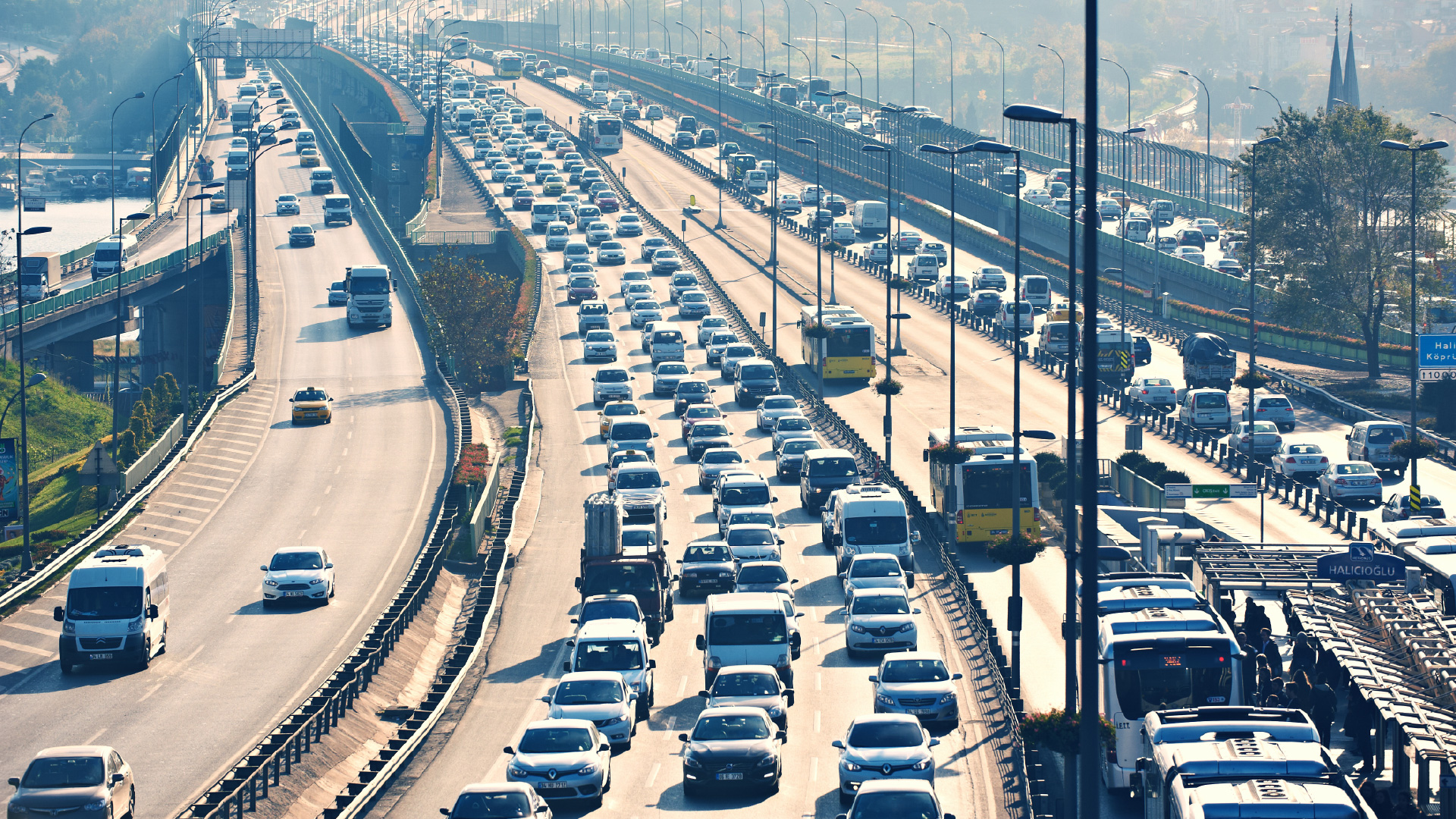
Urban Traffic Management

To begin with, the system implements intelligent signal control at intersections to reduce peak-hour congestion and enhance overall traffic flow efficiency.

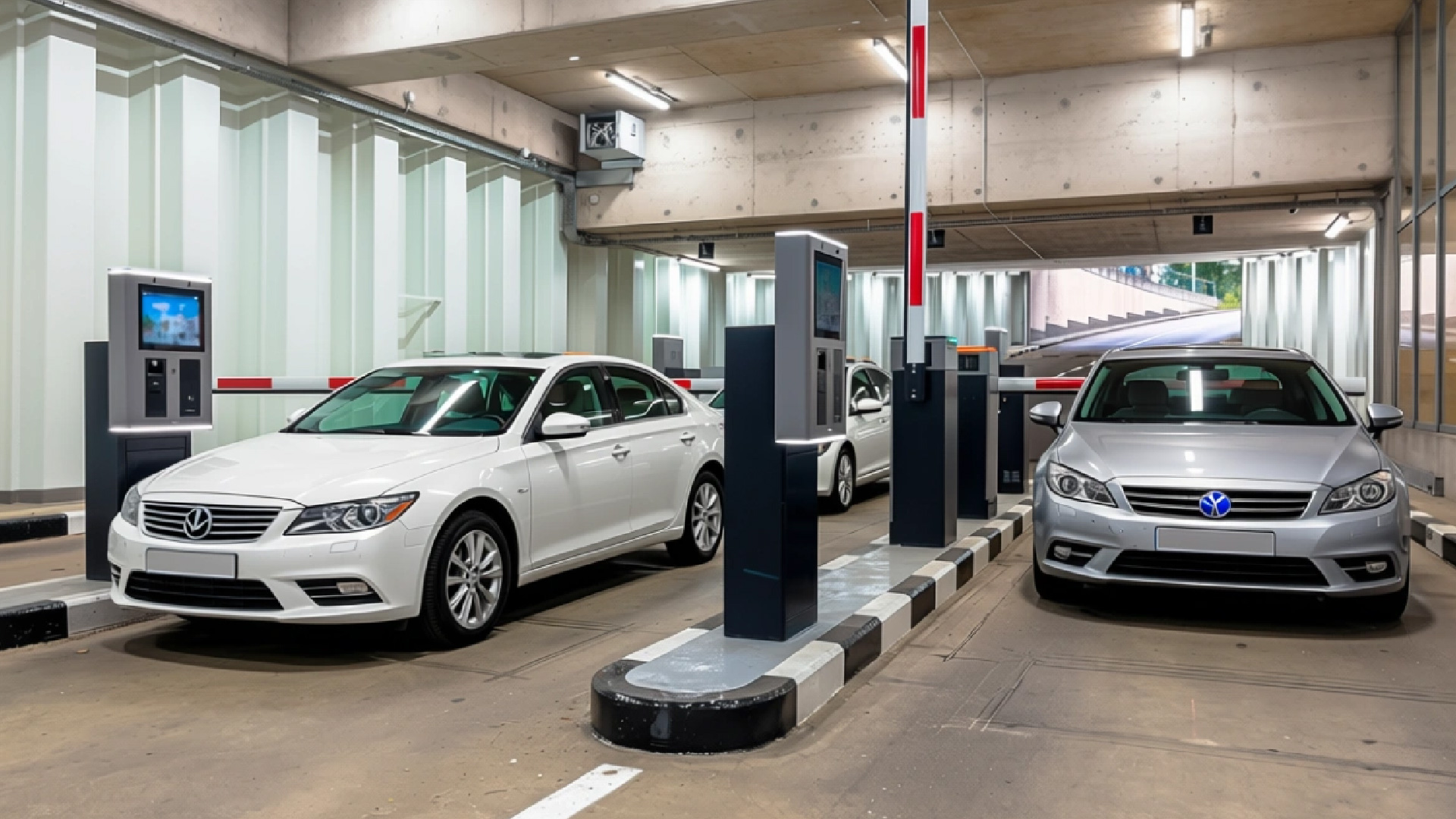
Smart Parking Management

In addition, the system monitors vehicle entry, exit, and queuing status in real time, improving parking turnover and reducing unnecessary circling and congestion.

Highway and Ramp Control

Furthermore, with intelligent queue detection and dynamic ramp metering at on-ramps, 
The system eases mainline congestion and improves highway throughput.

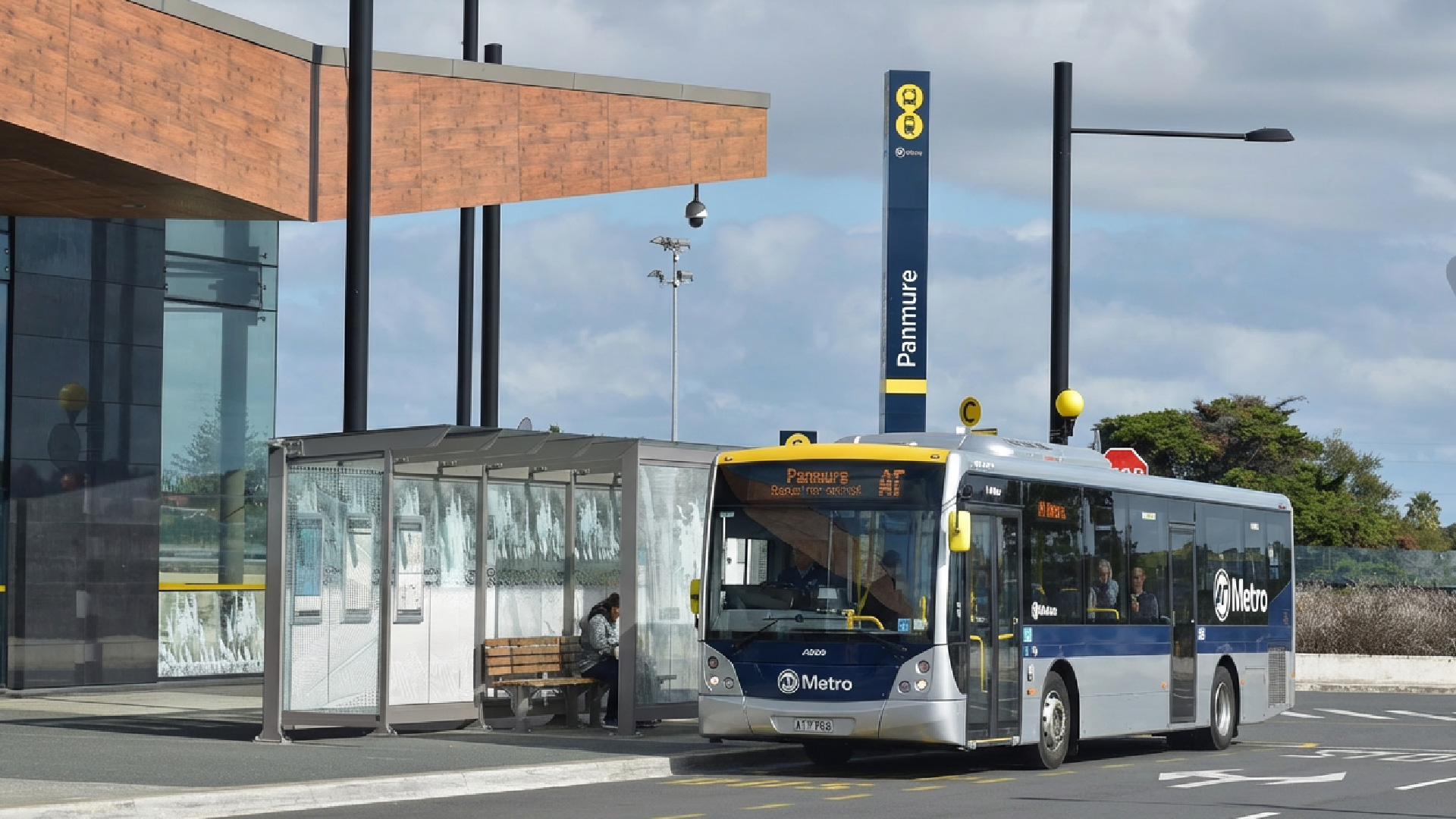
Public Transport Scheduling

Moreover, the system integrates bus, BRT, and metro timetable data with real-time traffic flow information to optimize scheduling and departure intervals.

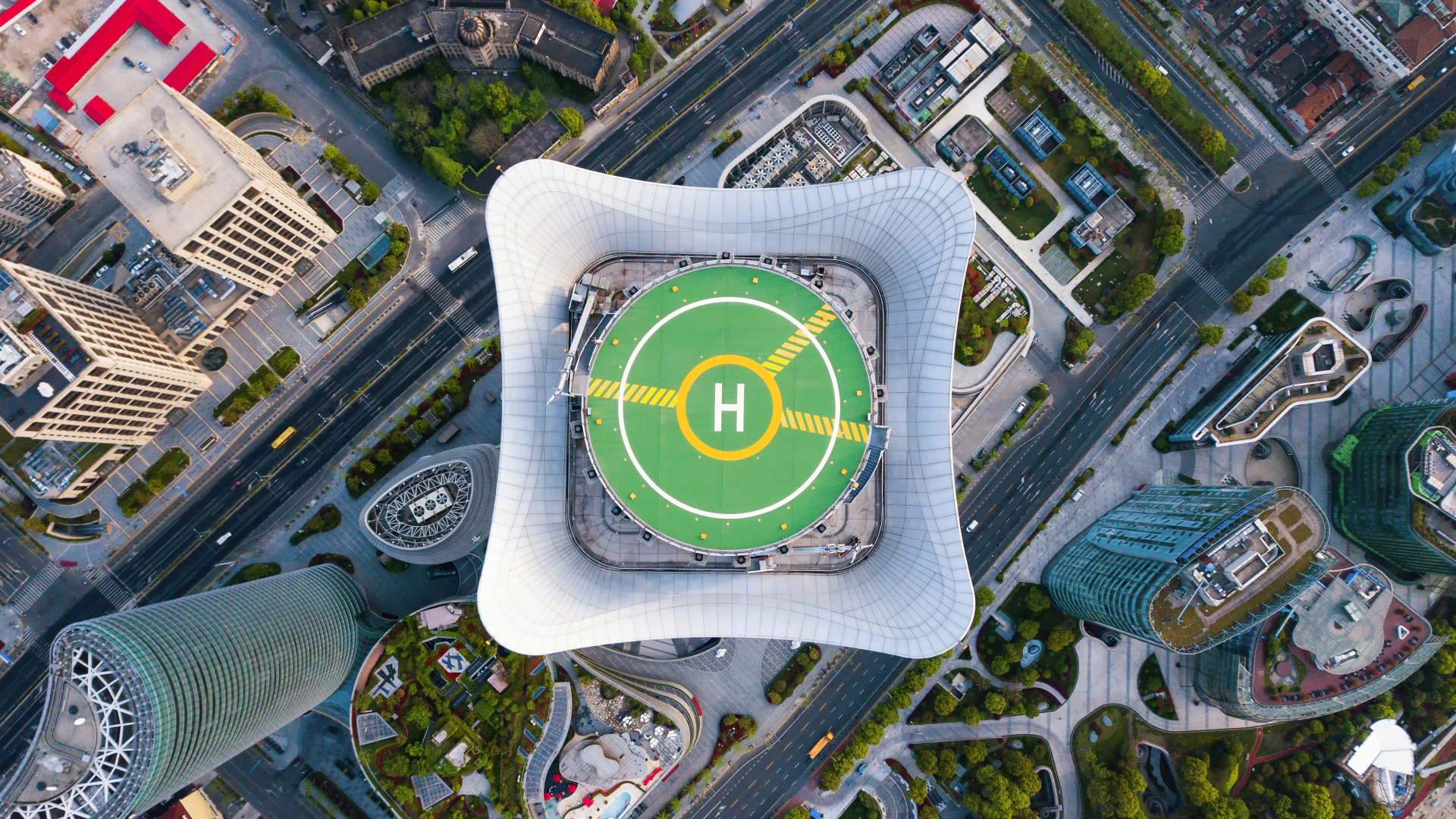
Smart City Development

Additionally, as a key component of the urban traffic big data platform, the system integrates with energy management, environmental monitoring, and public safety systems to help create a comprehensive smart city network.

Major Events and Emergency Management

Finally, this system supports traffic control for large-scale events (such as sports games or concerts) and emergency response coordination during natural disasters or traffic incidents.